
Katikiti village, Kyotera District – On May 11, 2026, Namugerwa Faridah, a 53-year-old farmer and mother of five, sat in her wheelchair at the edge of her property and narrated her story. She is a disabled woman who depends entirely on that wheelchair to move around her home and through her days. Her house, which she has lived in for forty years, now has visible cracks running through its walls caused by the constant vibration of heavy machinery used in pipeline construction. Between her house and her garden lies the excavated channel of the East African Crude Oil Pipeline, blocked further by stacked logs that she cannot cross or remove. She can see her garden from her wheelchair, but she cannot reach it.
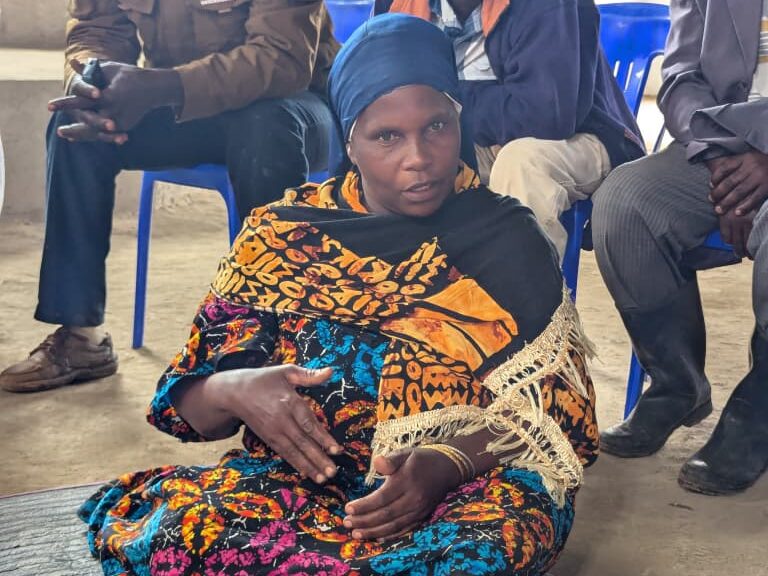
At a time when the governments of Uganda and Tanzania celebrate EACOP as a transformative infrastructure project expected to transport 200,000 barrels of crude oil daily from Uganda’s Albertine region to the Tanzanian port of Tanga, Namugerwa’s story reveals a darker crisis: the crushing of livelihoods by the very machinery promised to bring progress.
Namugerwa received her land from her mother, who received it from hers. For forty years, she has lived on that plot in Kituntu Village, raising five children alone, burying her parents, and growing food to survive. Before EACOP arrived, her garden produced enough to feed her family and sell the surplus at the local market.
“I was surviving on farming and selling food crops from my garden,” she writes. “My land was my only source of survival for me and my family.”
In 2018, government and EACOP officials arrived at her home. They told her a pipeline would pass through her property. They assured her that only a small portion of approximately one meter would be taken. They promised fair compensation and improved livelihoods. During evaluation, Namugerwa’s land and crops were systematically undervalued. Despite her protests, she was paid a sum so meager it could neither replace her lost land nor sustain her household through the disruption.
When construction began, EACOP took far more land than originally promised. The pipeline now runs directly between Namugerwa’s house and her garden.’
“I cannot access my garden anymore,” she said.
Without access, food scarcity has entered her home. She has no income to feed her five children, pay for medical care, or buy soap. She can only stare at her garden from her doorway.
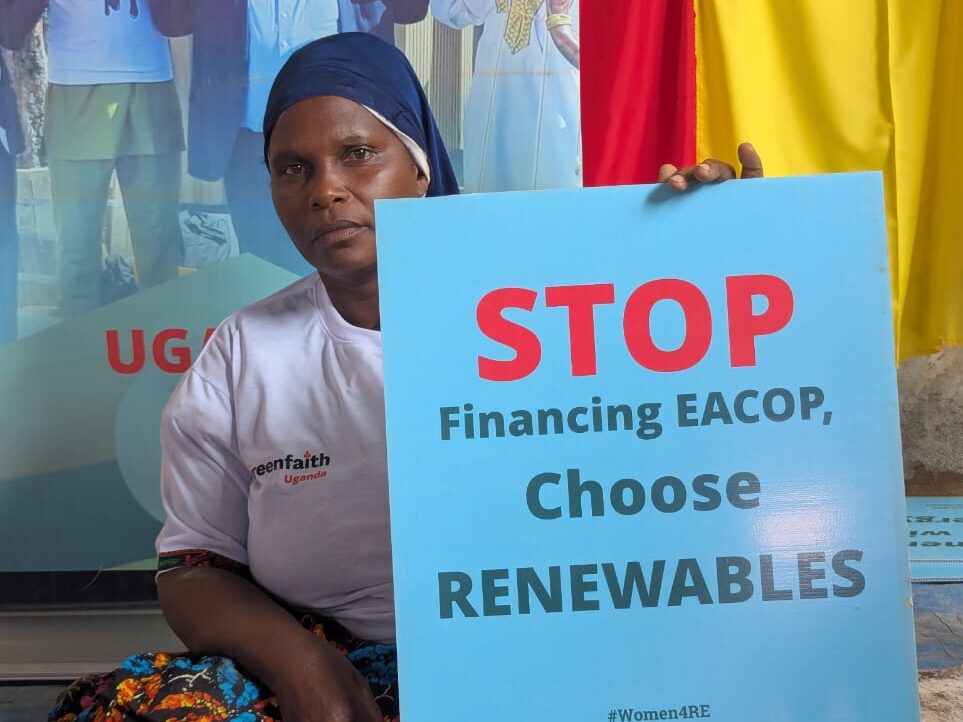
The destruction did not stop at her livelihood. Heavy machinery and constant truck movements have caused serious cracks in her house. She now lives in daily terror that the walls will collapse on her and her children. With no savings and no income, she cannot afford repairs, let alone build another house.
“I am afraid my house might collapse. The company says the repairs are not in their budget,” she writes.
Beyond her walls, the environment around her home has been damaged. Dust, noise, and soil degradation have made recovery nearly impossible. She now lives in suffering and poverty.
Namugerwa asks EACOP management to come to her home and see with their own eyes the destruction caused to her land, her garden, her house, and her livelihood. She asks for adequate compensation.
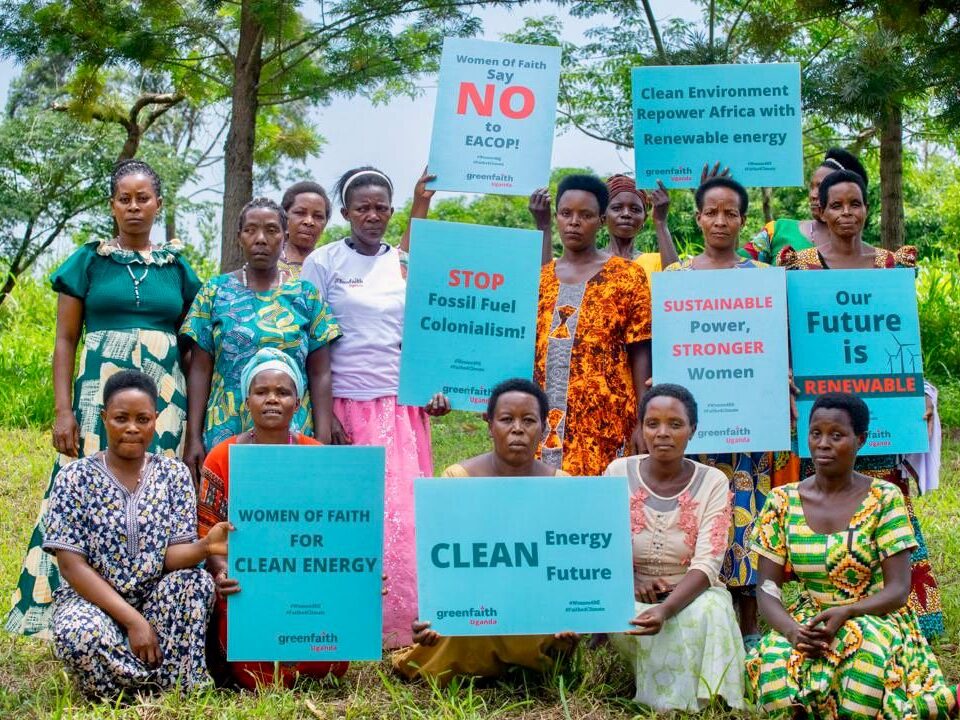
EACOP has long been promoted as a project that will bring jobs, revenues, and energy security. But critics argue that without robust grievance mechanisms, transparent compensation, and meaningful community consent, the pipeline risks becoming a corridor of human rights violations rather than development.
Namugerwa’s case is similar to hundreds of other cases across the pipeline route. Communities cry of undervaluation, displacement, and livelihood destruction, yet few have been documented.
As Uganda advances its oil ambitions under the Petroleum Act, the Land Acquisition Act, and international financing agreements that require environmental and social safeguards, Namugerwa’s story poses a profound question: Can a 53-year-old disabled grandmother who lived on her mother’s land for forty years and raised five children alone ever be made whole again? And more urgently: Is anyone willing to try?