

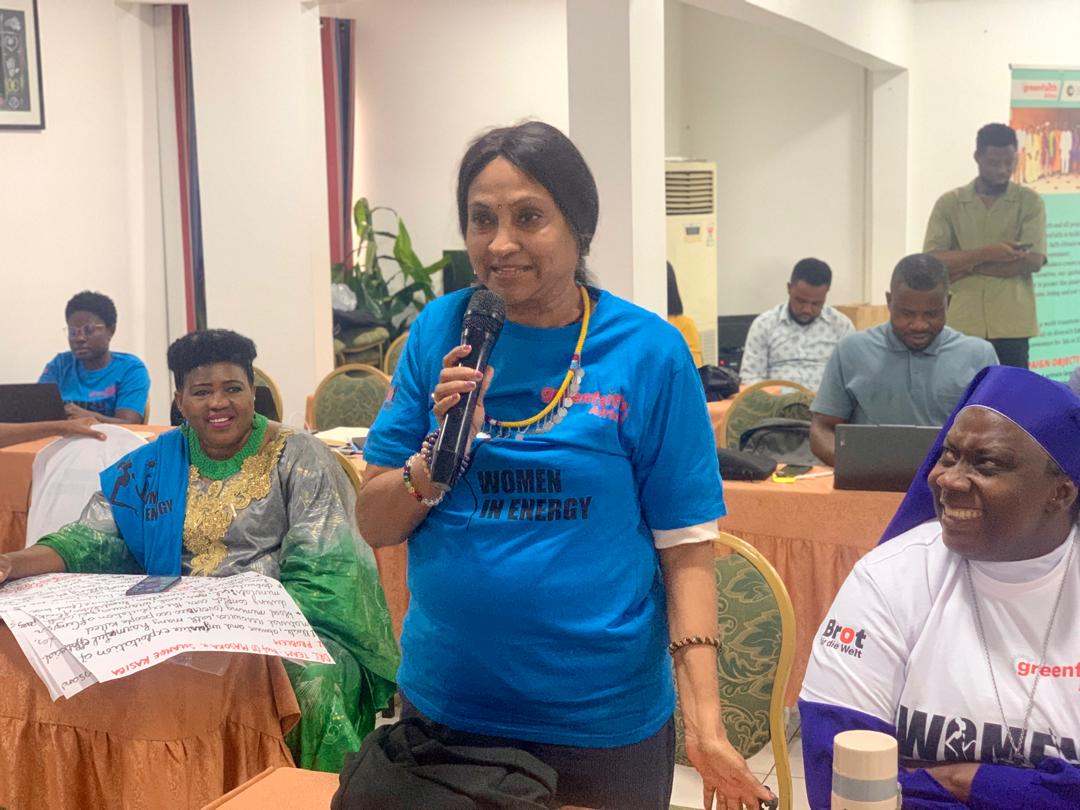
GreenFaith Ghana combines youth and faith leadership to accelerate climate action, oppose oil and gas expansion, and promote locally owned renewable energy initiatives — including women-led energy campaigns and partnerships to build community resilience. The Ghana chapter runs trainings, collaborative campaigns, and public events to strengthen faith-based climate advocacy.
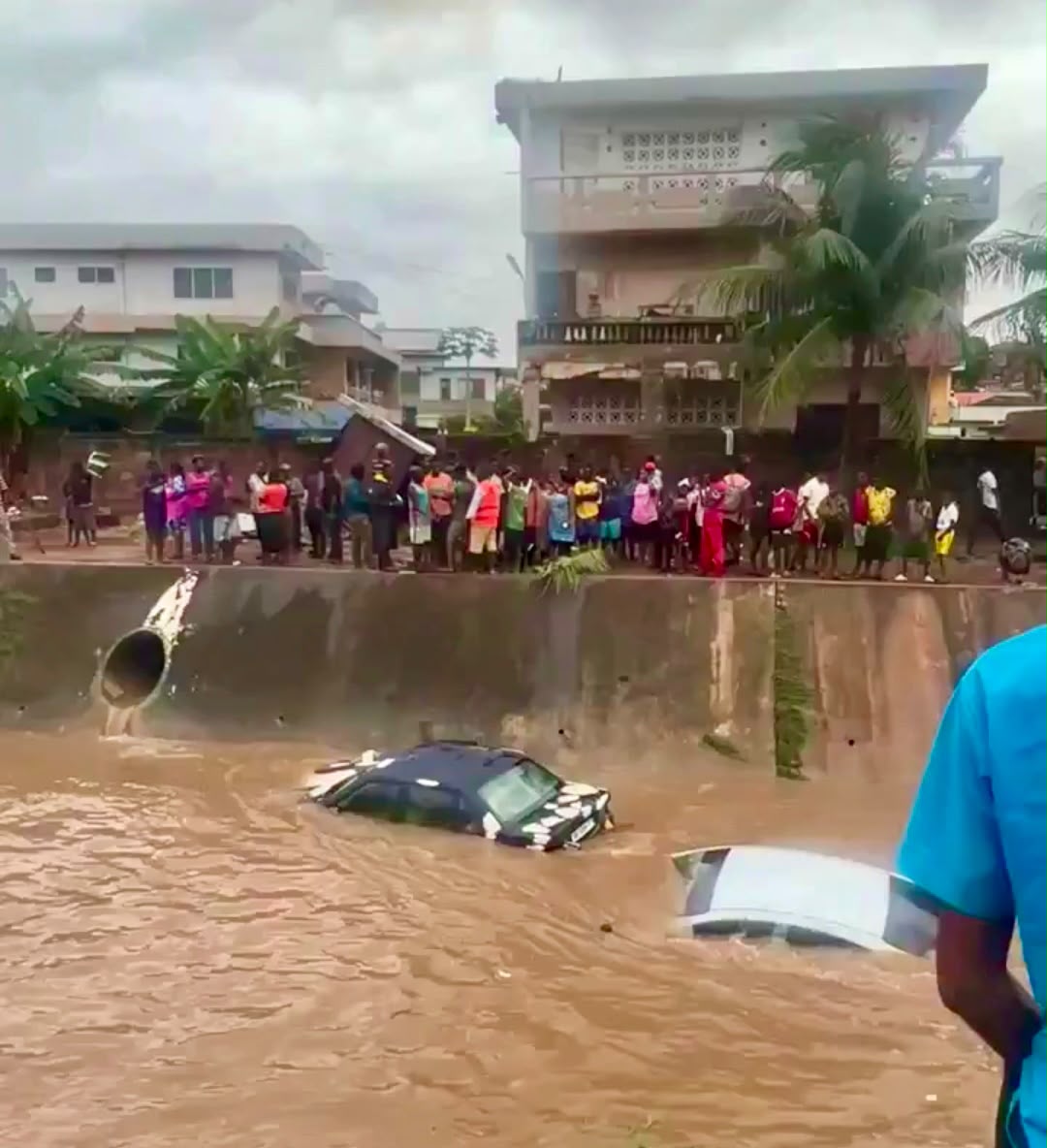
The recent floods in Accra have once again left families counting their losses. Homes have been submerged, businesses disrupted, roads cut off, and lives placed at risk. As these scenes become more frequent, it is clear that flooding is no
Across Ghana, climate change is no longer a distant conversation confined to conference halls or policy papers. It is visible in high temperatures, failed harvests, Loss of Livelihoods, rising hunger, displacement, and deepening energy poverty.
For millions of vulnerable people, climate change is not simply an environmental crisis; it is a social protection crisis, a justice crisis, and increasingly, a moral crisis.
When disasters strike in communities, it is often not government institutions that arrive first. It is the church down the road opening its doors to displaced families. It is the mosque organizing food collections for hungry households. It is faith women groups mobilizing support for widows, children, and struggling farmers. Before official relief, systems are activated, faith communities are already responding.
Faith leaders are resilience actors. They mobilize communities, provide humanitarian support, offer emotional and spiritual healing, and strengthen social solidarity during moments of crisis. In many communities, they are trusted moral voices whose presence remains constant before, during, and after disasters. They are often the first and second responders to social protection challenges long before formal interventions arrive.
Across Ghana, churches, mosques, and faith-based institutions continue to provide food, shelter, counseling, awareness creation, and emergency support despite operating with limited financing, minimal policy recognition, and inadequate institutional capacity. Yet as climate impacts intensify across Ghana’s agroecological zones, their role in climate-responsive social protection can no longer be ignored or treated as secondary.
Climate resilience cannot be achieved through infrastructure alone. It must also be built through trust, dignity, solidarity, and community care. Effective social protection systems must therefore include stronger collaboration between government institutions and faith actors through policy integration, financing support, and capacity strengthening.
Institutions such as NADMO and MoGCSP continue to play an important role in advancing social protection in Ghana. However, concerns around beneficiary selection, accessibility, and community trust often weaken confidence in interventions. Faith leaders already possess what many institutions struggle to build: deep community presence, moral legitimacy, and long-standing trust networks.
This is why climate-responsive social protection in Ghana must move beyond centralized systems and embrace localized, faith-rooted approaches that place communities at the center. Faith institutions understand the realities of vulnerable households because they live among them. They witness the suffering firsthand. They bury those lost during disasters. They comfort families experiencing hunger and uncertainty. Their leadership is not theoretical; it is lived.
At the same time, Ghana’s climate vulnerability is being worsened by a global fossil fuel system that continues to prioritize profit over people. Communities living near extractive projects frequently experience environmental degradation, loss of livelihoods, water pollution, displacement, and exclusion from the very energy systems built around them. Ironically, many frontline communities surrounded by resource extraction still live in energy poverty.
Energy poverty greets visitors at the entrance of many Ghanaian communities. Children continue studying under candlelight. Clinics struggle to refrigerate medicines because of unreliable electricity. Small businesses collapse under unstable power supply. Places of worship are unable to conduct evening activities due to outages. For many communities, energy insecurity remains a daily reality.
Ghana reportedly requires nearly USD 600 million to address its energy challenges. Yet unless the country approaches this through a nexus between energy access, climate justice, and social protection, existing inequalities risk becoming even more entrenched. A just energy transition must not only replace fuel sources; it must transform systems of exclusion.
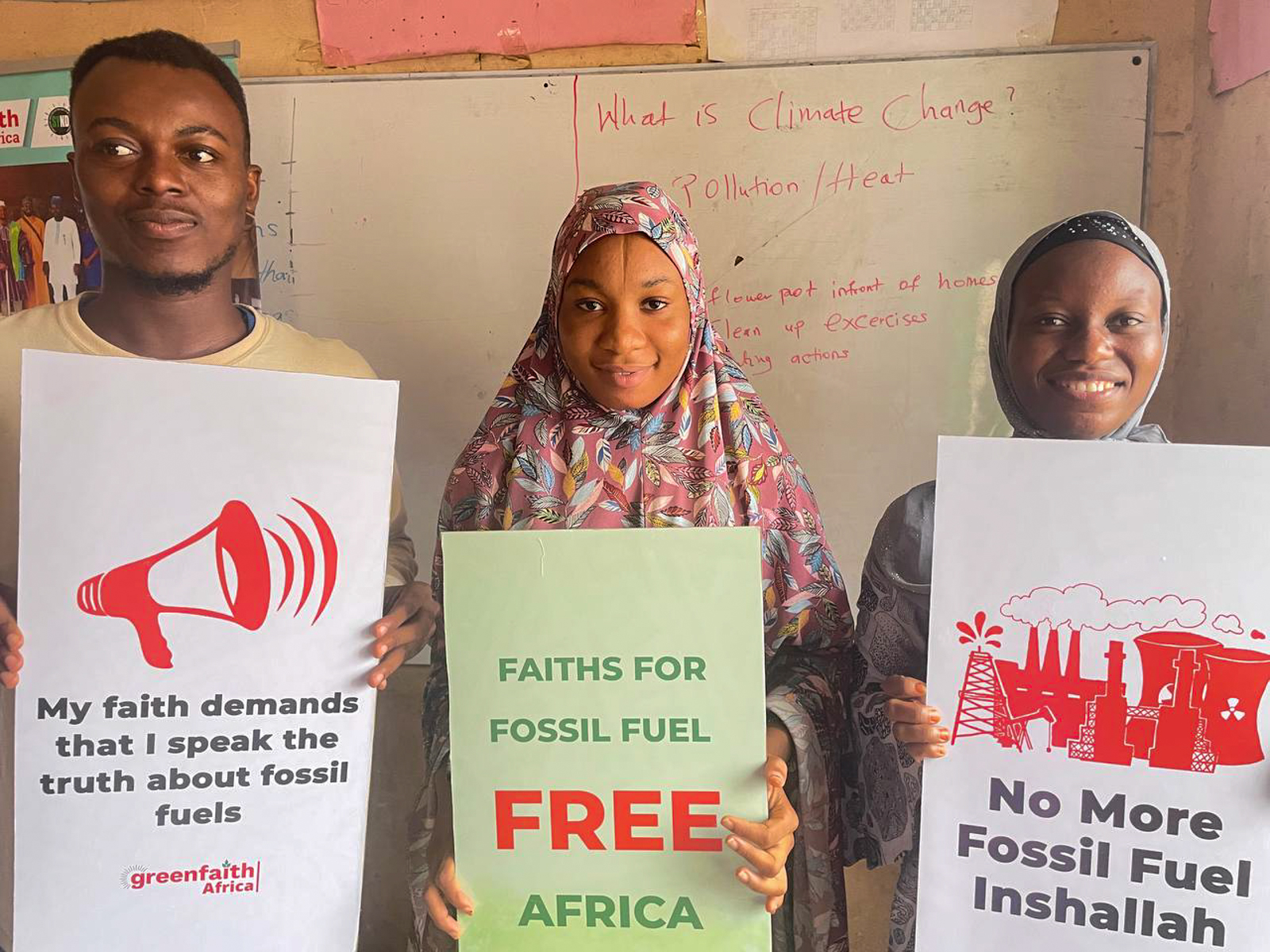
This is where GreenFaith Africa’s “Keep Oil in the Ground” campaign becomes deeply significant.
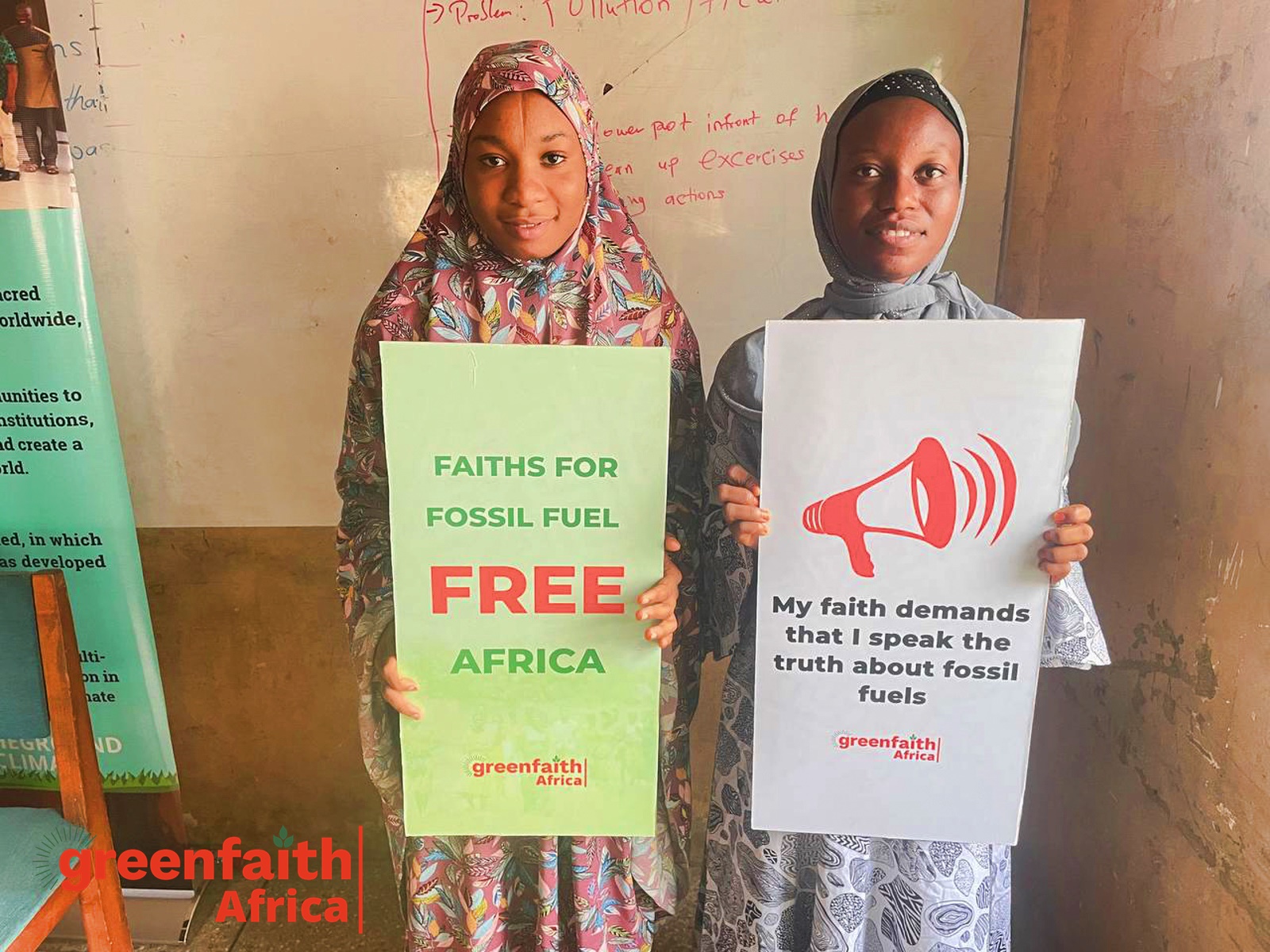
GreenFaith Africa continues to mobilize faith leaders and frontline communities against fossil fuel expansion across Africa, including in Ghana. The campaign recognizes that fossil fuel extraction is not merely an environmental issue but a profound ethical and social justice concern. Communities already suffering from poverty and climate vulnerability should not be sacrificed further in the pursuit of extractive profits.
Through grassroots mobilization, interfaith organizing, advocacy, and public education, GreenFaith Africa is empowering faith communities to resist destructive fossil fuel projects while championing renewable, people-centered alternatives rooted in justice and dignity. The campaign calls for investment in clean energy systems that prioritize communities rather than corporations.
Faith communities are increasingly raising moral questions that governments and corporations cannot ignore:
Who benefits from extraction while communities remain in darkness?
How can development be justified when it destroys livelihoods and ecosystems?
Why should vulnerable communities bear the burden of pollution while others accumulate wealth?
These are not simply political questions. They are spiritual and moral questions about justice, stewardship, compassion, and the sanctity of life.
The fight for climate-responsive social protection and the fight against fossil fuel expansion are therefore interconnected. One seeks to protect vulnerable communities from climate shocks; the other seeks to prevent the worsening of those shocks. Together, they represent a broader struggle for dignity, equity, and survival.
As Ghana charts its future, faith leaders must not remain at the margins of climate and energy policymaking. Their voices, structures, and community networks are essential to building resilient societies. A truly just transition must recognize that climate action is not only technical or economic; it is deeply human.
The future Ghana needs is one where communities have clean and affordable energy, where social protection systems are trusted and inclusive, where vulnerable families are protected from climate disasters, and where development does not come at the cost of human suffering and environmental destruction.
This future is possible. But it requires courage, partnership, and moral leadership.
And across Ghana, faith communities are already showing the way.
FAITH AND SCIENCE ARGUED Years ago in secondary school, I saw a movie series called “Young Sheldon”. In one of the episodes, the main character, Sheldon, made a bold statement that, “Religion...
Statement of Grassroot African women of Faith is from the conference at Accra, Ghana 27th – 28th May 2024 whose objective is to build an African multi faith women-led movement on phasing out fossil fuels while...
GreenFaith teamed up with the Strategic Network for Youth Development to address the critical issue of climate change in Ghana. With the devastating effects of climate change already being felt in the...