
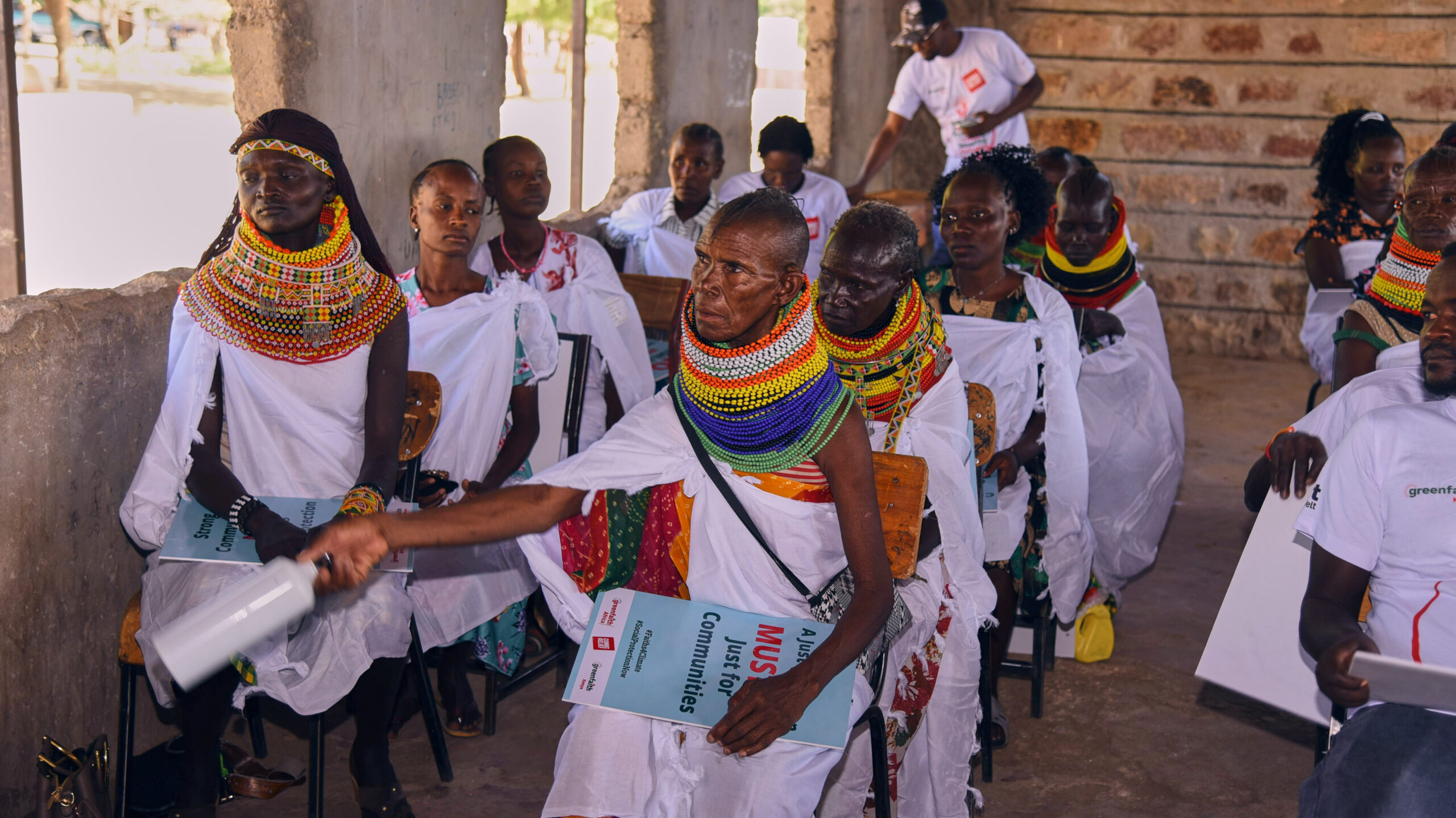
In the vast, arid landscapes of Nakuklas Village in Lokichar, Turkana East Sub-County, life has always revolved around the rhythms of nature. For generations, pastoralism has been more than an economic activity; it has been a culture, an identity, and a way of life passed from one generation to another. Livestock, seasonal migration, communal grazing lands, and indigineous knowledge formed the backbone of a resilient community that had learned to survive in one of Kenya’s harshest climates.
Today, that resilience is under unprecedented strain.
Home to more than 500 people, Nakuklas now stands at the intersection of two overlapping crises. On one hand, climate change continues to intensify prolonged droughts, erratic rainfall, shrinking pasturelands, and worsening water scarcity across Turkana County. On the other hand, decades of oil exploration have introduced a different kind of vulnerability,one rooted in displacement, environmental degradation, broken promises, declining livelihoods, and growing uncertainty about the future.
Seven years after Tullow Oil suspended its operations, many residents say they remain trapped in poverty despite the enormous wealth extracted from beneath their ancestral land. The expectations of employment, quality healthcare, clean water, education, and improved infrastructure have largely gone unfulfilled. Instead, the community now faces renewed fears as Gulf Energy prepares to resume exploration activities, raising concerns over fresh displacement and another cycle of disruption.
For Nakuklas, climate change cannot be separated from the social, economic, and environmental impacts of extractive industries. Together, they create a complex web of risks that leaves already vulnerable households exposed to multiple shocks with little protection.
This is precisely where climate-responsive social protection becomes essential.
Social protection is often misunderstood as emergency relief distributed after disasters occur. Yet in reality, it is far more than humanitarian assistance. It is about strengthening people’s capacity to anticipate, withstand, recover from, and adapt to climate shocks before they become humanitarian catastrophes. It means ensuring that vulnerable communities have access to reliable healthcare, safe water, sustainable livelihoods, education, social safety nets, and protection of their rights.
In Nakuklas, social protection must also include justice.
Justice for communities whose land has generated national wealth while local families continue to struggle with poverty. Justice for pastoralists whose grazing lands have steadily diminished. Justice for women carrying the burden of deteriorating family health. Justice for young people denied meaningful employment opportunities. Justice for elders watching their traditional way of life disappear before their eyes.
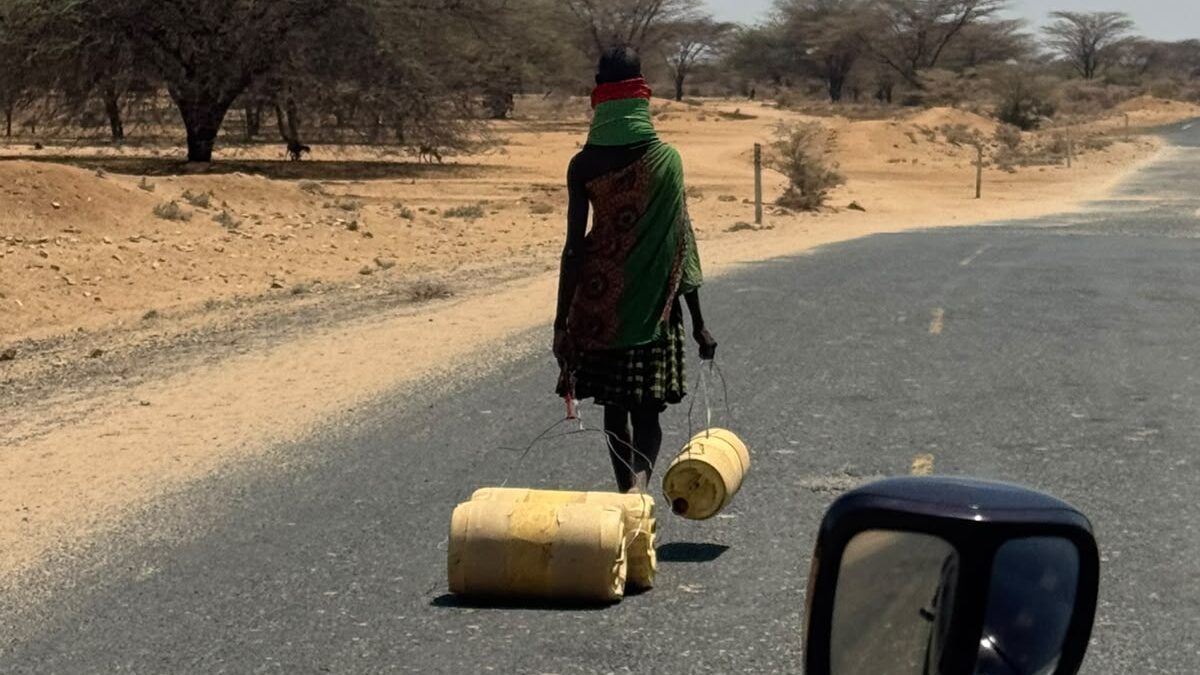
Standing with communities means recognizing that resilience cannot be built through infrastructure projects alone. It is built by protecting people, restoring dignity, strengthening institutions, and ensuring communities themselves become active participants in shaping their future.
GreenFaith Africa’s engagement with Nakuklas reflects this understanding. Through community conversations, we are amplifying local voices while advocating for climate responsive social protection that places affected communities at the centre of decisions affecting their lives. Equally important is the recognition that faith communities can become powerful first responders during climate emergencies, providing both immediate assistance and long term hope where government systems often struggle to reach.
Community Voices Reveal the Human Cost of Oil Development
Walking through Nakuklas, it quickly becomes clear that the conversation is not simply about oil. It is about lives transformed, expectations broken, and communities trying to make sense of development that has largely bypassed them.
During community dialogues, elders, women, youth, and local leaders reflected openly on how life has changed since oil exploration began. Their testimonies painted a powerful picture of resilience mixed with disappointment.
Many elders recalled a time before oil exploration when communities depended almost entirely on pastoralism. Rainfall, although never abundant, followed relatively predictable seasonal patterns. Grazing land was available, livestock thrived, and families moved freely across traditional migration routes in search of pasture without major restrictions.
Communities supported one another during periods of drought, drawing strength from deeply rooted cultural systems that emphasized solidarity and collective survival
Everything began to change when oil companies arrived.
When Tullow Oil commenced exploration, the people of Nakuklas welcomed the investment with optimism. Like many resource rich communities across Africa, they believed oil would finally bring development to an area that had long remained marginalized. Employment opportunities, modern schools, hospitals, improved roads, reliable water systems, electricity, and better living standards all seemed within reach.
Initially, there were encouraging signs.
Following sustained advocacy from community members, some local residents secured casual employment despite lacking formal qualifications. Local entrepreneurs benefited from water trucking contracts. Infrastructure projects such as Ngamia One School were established, reinforcing hopes that development had finally arrived.
Those gains, however, proved insufficient and short-lived.
Today, many residents say those early promises remain largely unfulfilled. Since Gulf Energy assumed responsibility for operations, community members feel increasingly excluded from decisions affecting their land and future. Expectations have given way to uncertainty, frustration, and fear.
Perhaps no issue captures this anxiety more than access to water.
Water has always been life in Turkana. Yet residents now worry that the very water sustaining their families may no longer be safe. Community members expressed concerns about possible contamination linked to oil operations and appealed for an independent scientific assessment to establish the true quality of water available in Nakuklas.
Safe drinking water is not merely an environmental issue. It is a fundamental human right and a cornerstone of climate resilience. Without confidence in their water sources, communities become even more vulnerable to disease, food insecurity, and displacement.
Residents also described changing rainfall patterns that have become increasingly unpredictable. Seasons that once guided livestock movements can no longer be relied upon. Droughts last longer. Pasture disappears more quickly. Livestock mortality increases. Food insecurity deepens.
For pastoralist families, these climatic changes are compounded by shrinking grazing lands as areas traditionally used for livestock become occupied by oil infrastructure and restricted operational zones.
The loss of livelihoods has become one of the community’s greatest concerns.
Families that once depended entirely on livestock now struggle to sustain themselves. Young people who hoped oil would create employment remain largely unemployed. Skilled and unskilled workers alike questioned why opportunities linked to the resource extracted from their own land have not translated into lasting local prosperity.
Displacement has added another layer of vulnerability.
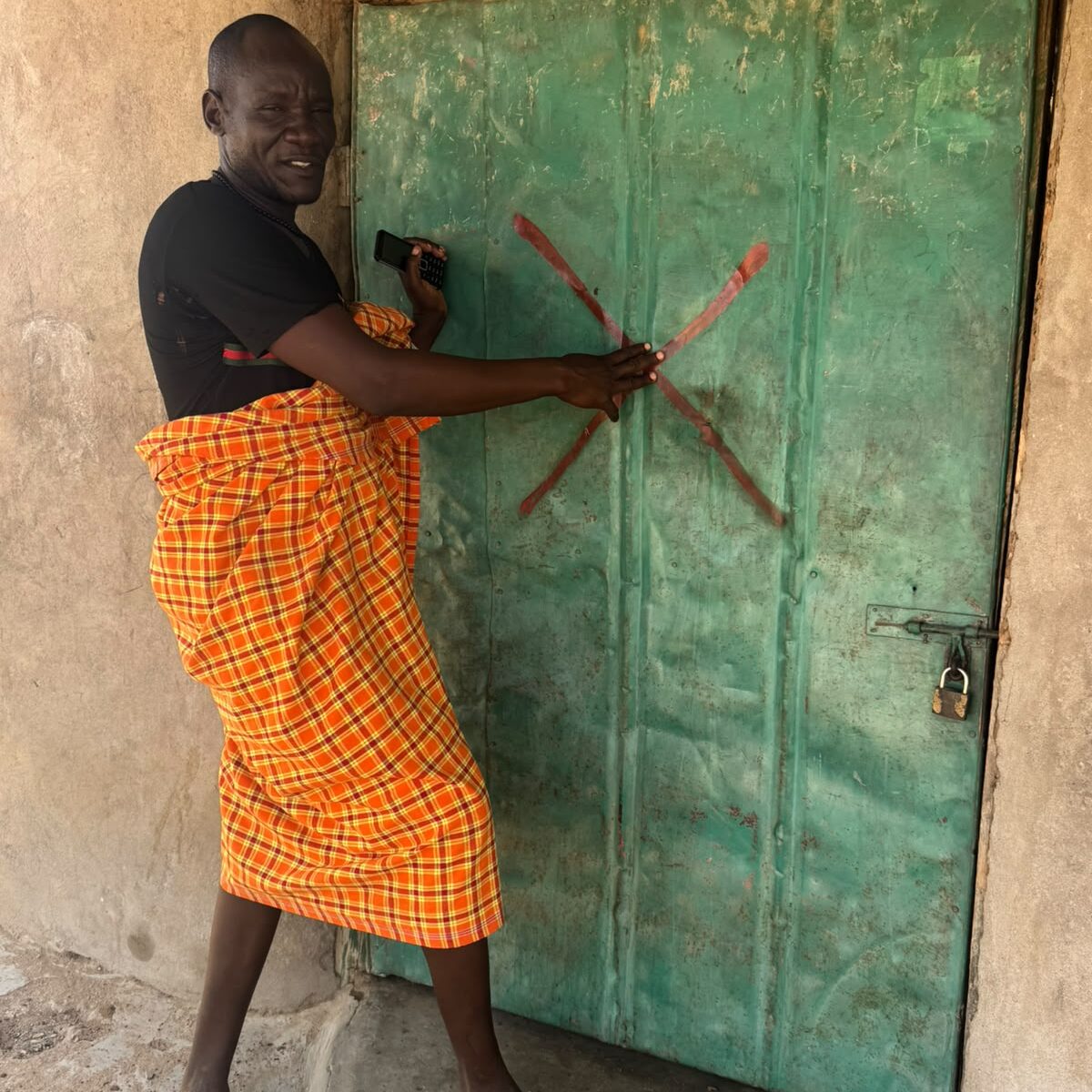
Community members reported that five villages have already been affected by oil operations. Yet many families still lack clear information regarding where they will be relocated, how compensation will be determined, when payments will be made, and whether those payments will be sufficient to rebuild their lives elsewhere.
Such uncertainty creates constant psychological stress, leaving families unable to plan for the future while fearing the loss of homes that have anchored generations.
Some residents further alleged that houses have been torched during the night, creating fear and pressure for families to relocate. Community members warned that forced migration into neighbouring villages could ignite tensions over land and grazing resources, potentially fuelling wider conflict in an already fragile region.
Health concerns featured prominently throughout the conversations.
Residents spoke of increasing respiratory illnesses, stomach complications, intestinal disorders, urinary difficulties, and other illnesses they associate with environmental changes following oil exploration. Community members also voiced deep concern about reproductive health challenges, with some claiming that women have experienced increasing difficulties conceiving while men have reported sexual and reproductive health complications. Others described breathing difficulties they believe are linked to contaminated air and concerns over consuming polluted water.
These are serious allegations that underscore the urgent need for comprehensive, independent environmental and public health assessments to establish evidence, identify risks, and ensure affected communities receive appropriate medical support and protection.
Despite living in an area that contributes significantly to Kenya’s energy ambitions, residents questioned why there remains no well equipped referral hospital capable of addressing the growing healthcare needs of oil producing communities.
Faith Communities as First Responders and Social Protection as the Foundation of Climate Resilience
Across Africa, faith communities have long served as trusted institutions during moments of crisis. Long before humanitarian agencies arrive, churches, mosques, and other places of worship often become shelters, distribution centres, counselling spaces, and gathering points where communities seek hope, comfort, and practical support.
This reality offers an important lesson for climate resilience in Nakuklas.
As climate shocks become more frequent and environmental pressures intersect with extractive industries, faith communities have a unique opportunity to strengthen locally led responses that protect vulnerable households before, during, and after disasters.
GreenFaith Africa’s engagement demonstrates that faith-based action extends far beyond spiritual guidance. Faith leaders possess deep community trust, moral authority, and extensive grassroots networks capable of mobilizing action quickly during emergencies.
When equipped with knowledge and resources, faith communities can educate households about climate adaptation, promote peaceful dialogue during periods of displacement, advocate for environmental stewardship, support vulnerable families, and provide psychosocial care for communities experiencing trauma and uncertainty.
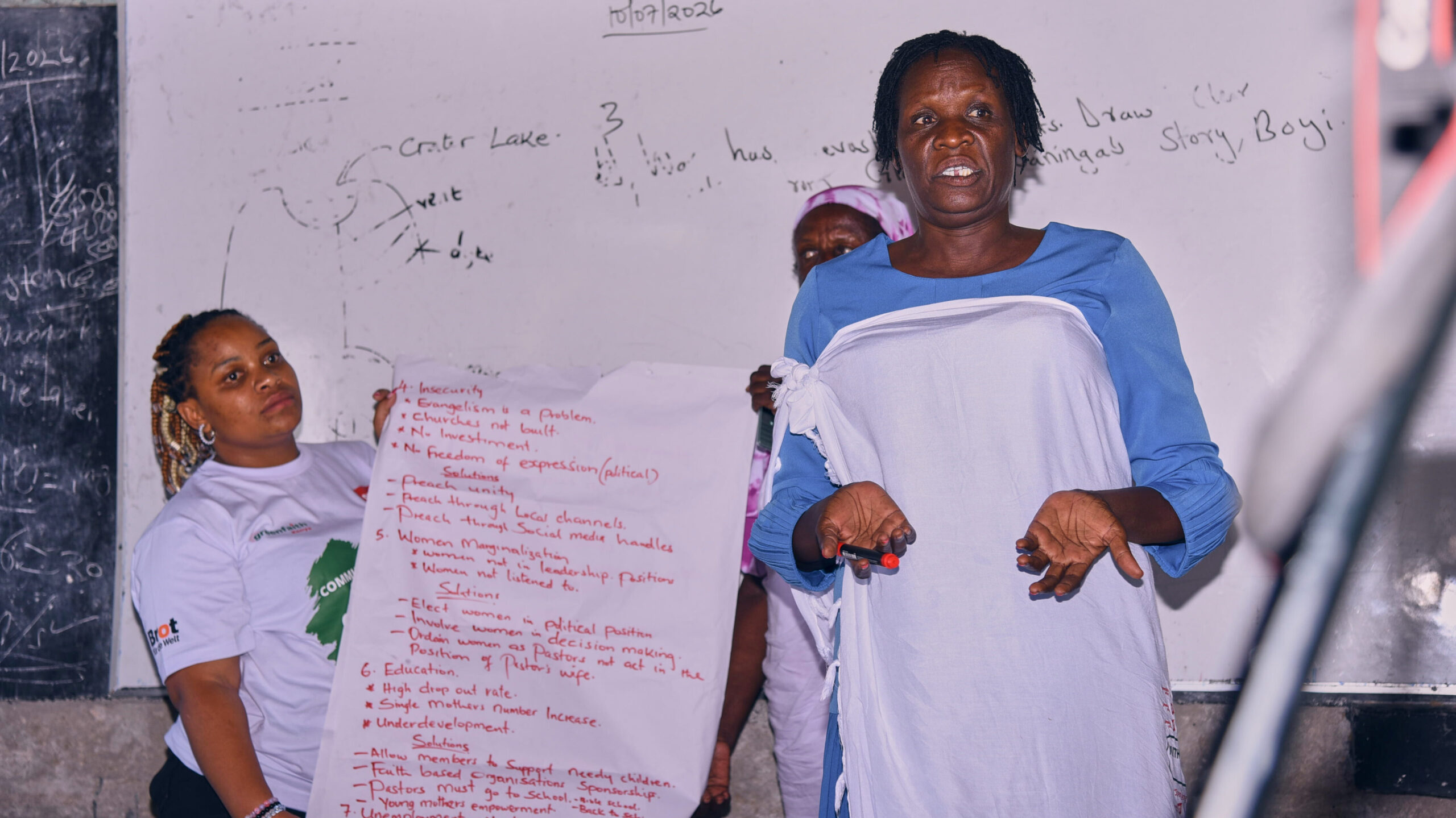
They can also become powerful advocates for accountability.
Protecting creation requires protecting the people who depend upon it. Faith leaders therefore have an important role in ensuring that development respects human dignity, environmental integrity, and the rights of future generations.
Climate-responsive social protection provides the practical framework through which this vision can become reality.
In Nakuklas, effective social protection must move beyond emergency food assistance. It should strengthen healthcare systems capable of responding to emerging environmental health risks. It should guarantee reliable access to clean and safe water through regular monitoring and transparent reporting. It should protect pastoral livelihoods by safeguarding grazing corridors and supporting climate-resilient livestock production. It should provide meaningful livelihood diversification for young people while ensuring women, children, older persons, and persons with disabilities receive targeted support during climate-related emergencies.
Equally important is ensuring communities participate fully in decisions concerning land acquisition, compensation, relocation, and environmental management.
Development cannot be sustainable when communities are excluded from decisions that fundamentally reshape their lives.
Meaningful consultation requires timely information, transparency, free participation, and respect for local knowledge. Communities deserve to understand proposed projects, ask difficult questions, challenge decisions where necessary, and participate in identifying solutions that balance national development with local wellbeing.
Independent environmental monitoring also remains essential.
Where communities express concerns about air quality, water contamination, or health impacts, scientific assessments conducted by credible experts help establish evidence that can guide both policy and public confidence. Such assessments benefit everyone, including communities, government institutions, and private investors committed to responsible operations.
The story of Nakuklas ultimately reflects a broader conversation taking place across many resource-rich regions of Africa.
Communities should never have to choose between development and dignity.
Economic growth should never come at the expense of public health.
Natural resource extraction should never deepen poverty among those living closest to the resource itself.
Climate resilience cannot be achieved without social justice.
As GreenFaith Africa continues standing alongside communities in Turkana, the message emerging from Nakuklas is clear. Resilience begins by listening. It grows through solidarity. It is strengthened by protecting livelihoods, restoring trust, expanding social protection, and empowering faith communities to serve as compassionate first responders whenever climate disasters or development-related crises occur.
The future of Nakuklas should not be defined solely by the oil beneath its soil. It should be defined by the wellbeing of the people who have cared for that land for generations.
When communities are heard, when justice guides development, when faith inspires collective action, and when social protection shields vulnerable families from the growing impacts of climate change, resilience becomes more than an aspiration. It becomes a lived reality.
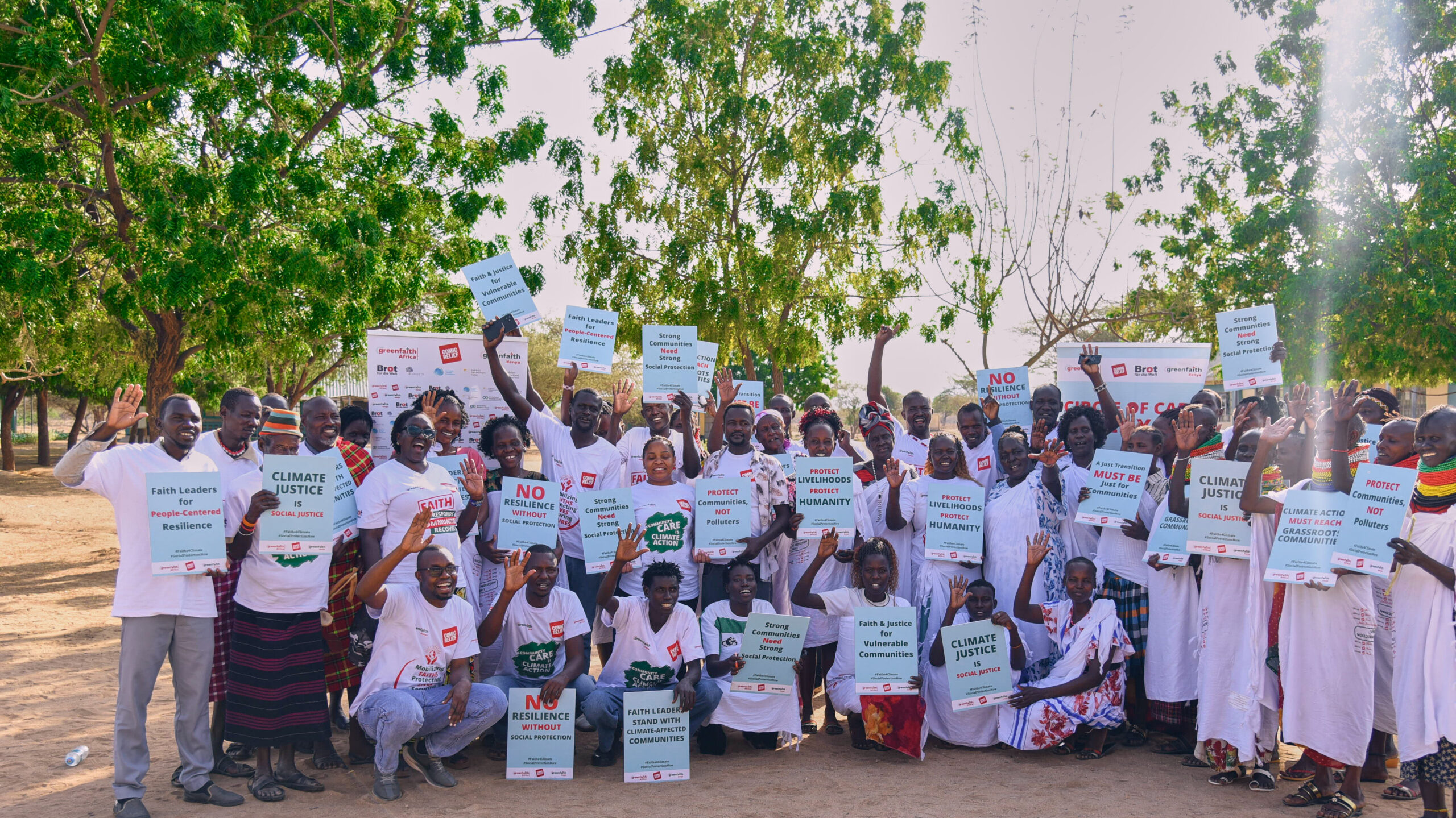
Standing with Nakuklas is therefore not simply about responding to one community’s challenges. It is about affirming a principle that should guide climate action everywhere: people must always come before profit, and development is only meaningful when it leaves no one behind.