
Antalya, Türkiye | COP31 | 8 November 2026
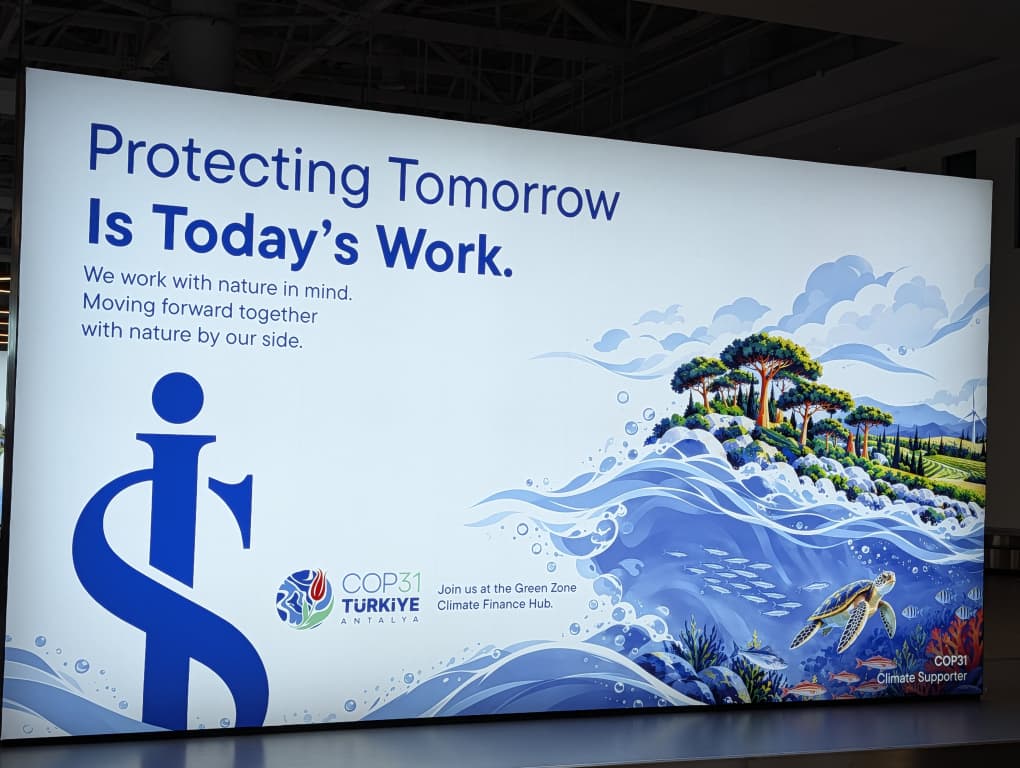
A powerful message welcomes visitors to the COP31 venue in Antalya, Türkiye: “Protecting Tomorrow Is Today’s Work.”
Surrounded by images of oceans, forests, wildlife, and flowing water, the message captures a truth that millions of people across Africa already understand: the future of our planet depends on the decisions we make today.
But protecting tomorrow requires more than inspiring words. It requires political courage, financial accountability, and a fundamental shift in how governments and financial institutions invest in our future.
As the world gathers for the 31st United Nations Climate Change Conference (COP31), GreenFaith Africa is bringing a clear message grounded in faith, justice, and ecological responsibility: our financial systems must stop rewarding fossil fuel destruction and start investing in a future that protects people and the planet.
The climate crisis is also a crisis of values.
Across Africa, communities are already experiencing the consequences of a climate crisis they did little to create. Farmers face unpredictable rainfall and declining agricultural productivity. Fishing communities face shifting fish populations and growing pressure on their livelihoods. Women and young people often carry the greatest burden of environmental destruction, yet remain under-represented in decisions about climate finance and energy development.
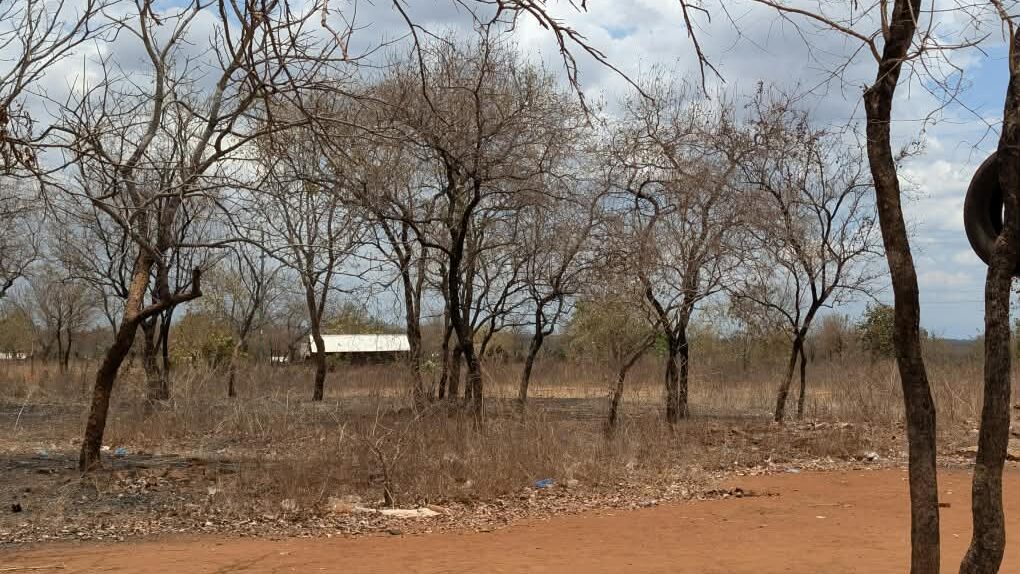
Meanwhile, billions continue to flow into fossil fuel exploration, production, and infrastructure
This raises an important moral question: how can we claim to protect life while continuing to finance activities that threaten it?
For GreenFaith, climate justice cannot be separated from the values that guide our faith traditions.
Islam calls for justice and prohibits interest-based exploitation. Buddhism identifies greed as a source of human suffering. Christian teachings repeatedly address wealth, responsibility, and the treatment of vulnerable people. Across faith traditions, we share a responsibility to protect creation, defend human dignity, and care for future generations.
These values must extend beyond places of worship into national budgets, international negotiations and financial institutions. Climate justice requires aligning finance with values.
Africa cannot afford another decade of empty promises.
For African communities, climate finance is not an abstract negotiation issue. It is about whether a farmer can recover after drought, whether a coastal community can protect its livelihoods, whether a rural health centre can access reliable electricity, and whether young people can build dignified livelihoods without depending on destructive extractive industries.
At COP31, GreenFaith is calling on governments and financial institutions to take concrete action.
Our demands include ending public financing for new fossil fuel projects, establishing clear and equitable timelines for phasing out fossil fuels, ending fossil fuel subsidies, and redirecting that funding towards renewable energy.
We are also calling for climate finance that does not create additional debt burdens for already vulnerable countries, stronger commitments to the Loss and Damage Fund, and meaningful protection for Indigenous Peoples, environmental defenders, women and frontline communities.
The transition to renewable energy must not simply replace one extractive model with another. It must be people-centred, community-led and grounded in energy democracy.
Communities must have the power to participate in decisions about their energy future and benefit from the resources available to them.
Faith communities must move from prayer to public accountability.
Faith institutions have a unique responsibility and opportunity in the climate movement. They bring together millions of people through places of worship, community networks, moral leadership, and longstanding commitments to justice.
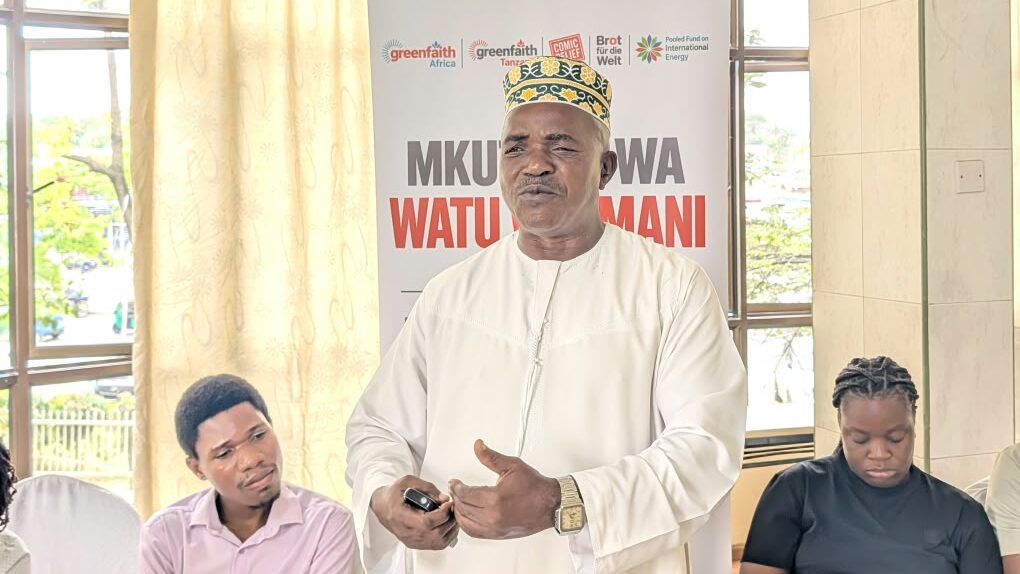
But this influence must translate into action.
At COP31, GreenFaith is strengthening its engagement through Faiths for a Fossil Free Future, Faiths Rising, the Global Mobilisation and the Africa Can’t Wait campaigns.
These initiatives recognise that the climate crisis requires collective moral leadership and coordinated public pressure.
People of faith cannot remain silent while vulnerable communities lose their homes, livelihoods, territories and access to essential resources.
Our message is simple: faith must inspire action, solidarity must create movements, and moral leadership must demand accountability.
Protecting tomorrow starts with what we finance today
The world does not lack climate commitments. What remains missing is the political will and financial accountability to turn those commitments into meaningful action.
We have heard enough promises. Communities need resources, not another cycle of delays. Renewable energy needs investment, not competing fossil fuel subsidies. Climate-vulnerable countries need grants and reparative finance, not additional debt.
At COP31, GreenFaith Africa stands with faith communities and frontline movements demanding a different future.
A future where energy serves people rather than corporate greed. Where climate finance restores dignity rather than deepening inequality. Where Indigenous Peoples and local communities have the power to protect their territories. And where economic development does not come at the expense of life.
Protecting tomorrow is today’s work.
Our faith calls us to protect life. Our responsibility calls us to demand justice. And this moment calls us to act together. Justice isn’t free. Polluters must pay.
By Baraka Machumu