
Who Is Climate Finance Really Reaching? Putting Africa’s Frontline Communities at the Centre
Africa is on the frontline of a climate crisis it did little to create. Across the continent, droughts are destroying livelihoods, floods are displacing communities, changing rainfall patterns are undermining food production, and rising temperatures are placing increasing pressure on water, health and local economies. Yet, while the need for adaptation has never been greater, the finance available to African countries remains far below what is required. Africa needs at least US$70 billion annually for adaptation, while tracked adaptation finance is only about US$14.8 billion in 2023.
But the climate finance conversation cannot stop at the amount mobilised.
We must ask: Who actually receives it? Who decides where it goes? And what reaches the last mile?
Only around 10% of climate finance reaching Africa is estimated to trickle down to frontline communities. Globally, less than 2% of development finance reaches women and youth as a principal gender-equality objective. These figures reveal a fundamental problem in the architecture of climate finance: those living closest to the crisis often have the least influence over the resources intended to help them respond to it.
For a pastoralist community facing prolonged drought, adaptation may mean water infrastructure, livestock support, drought-resistant livelihoods and access to climate information. For a smallholder farmer, it may mean irrigation, resilient seeds, extension services or restoration of degraded land. For a woman walking increasingly long distances to collect water or firewood, adaptation may mean reliable water systems, clean cooking, energy access and economic opportunities.
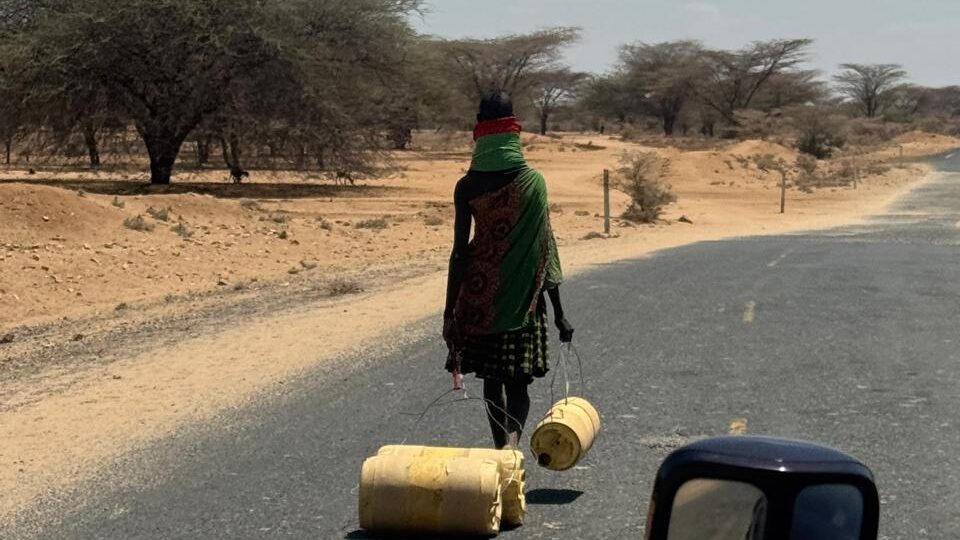
These are not abstract investments. They are questions of survival, dignity and justice.
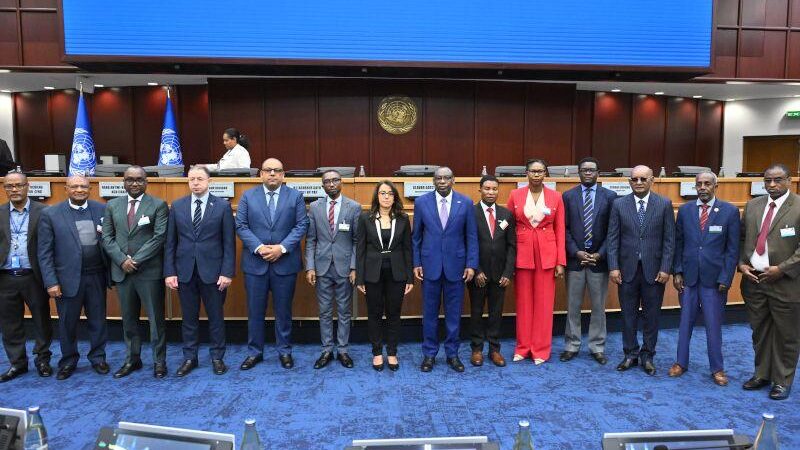
The recently concluded 14th Conference on Climate Change and Development in Africa (CCDA-14) in Addis Ababa provided an important moment to confront this challenge. Held from 7-9 September under the theme “From Pledges to Implementation: The Belém–Antalya–Addis Roadmap,” the convening brought together policymakers, negotiators, financial institutions, civil society, youth, women and other actors to advance Africa’s climate agenda. Its conclusions called for Africa to move from climate participation to climate agency, and from pledges to implementation, as the continent looks towards COP31 and an African-hosted COP32 in Addis Ababa in 2027.
That transition must also mean moving from Finance committed to finance realized.
The Role of Faith in Last-Mile Climate Finance
If climate finance is to deliver genuine resilience, communities must not simply be beneficiaries at the end of a financing chain. They must be participants in deciding priorities, designing interventions, implementing solutions and holding institutions accountable.
This is where faith communities have a distinctive role.
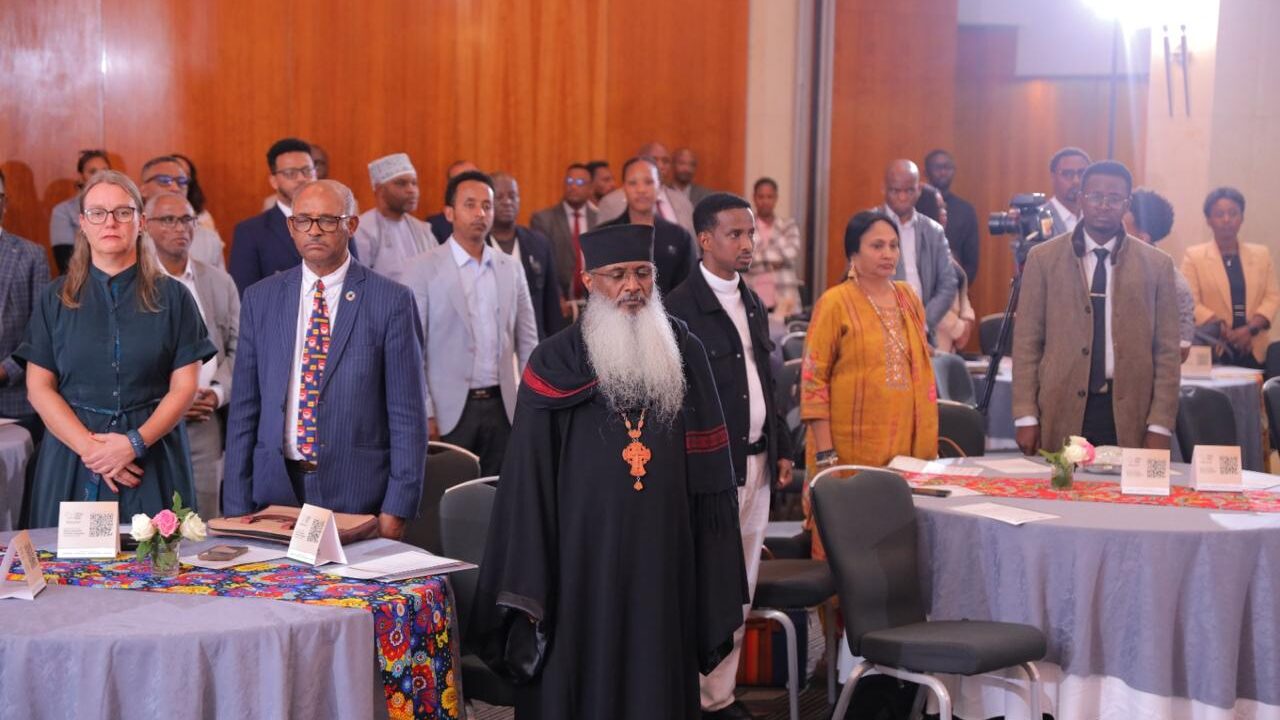
Across Africa, churches, mosques, faith-based organisations and traditional faith networks are deeply embedded within communities. They are often present where governments, development agencies and financial institutions have limited reach. They know the realities behind the statistics: the family whose harvest has failed, the community whose water source has dried up, the woman carrying the burden of unpaid care, and the young person whose livelihood is disappearing.
Faith therefore offers more than moral language for climate action. It provides trusted community infrastructure for accountability, mobilisation and locally led action
Faith actors can help translate complex climate finance commitments into questions communities can understand: What money has been promised? Where has it gone? Who decided the priorities? Who benefits? What has changed in people’s lives? They can help create spaces where communities participate in decision-making and can demand transparency from governments, donors and financial institutions.
This is consistent with the growing recognition that direct and locally led finance can strengthen ownership, accountability and the relevance of adaptation interventions. Initiatives such as the ACT Alliance’s Locally Led Climate Fund demonstrate that resources can be channelled directly to communities, allowing those closest to climate impacts to lead responses based on their own priorities.
As Africa moves towards COP31 and COP32, the ambition must therefore be bigger than securing more climate finance. Africa needs climate finance that is accessible, equitable, transparent, accountable, grant-based where appropriate, gender-responsive and genuinely locally led.
The real measure of climate finance should not only be how many billions are announced in conference rooms in Addis Ababa, Nairobi, Bonn or Belém.
It should be whether that finance reaches the farmer whose crops are failing, the pastoralist searching for water, the woman carrying the burden of climate impacts, the young person building a new livelihood, and the community restoring its ecosystem.
The question is no longer simply how much finance can we mobilise?
We must ask: What kind of finance? On whose terms? For whose benefit? Who decides? And, ultimately, does it reach the last mile?
Because climate justice will not be achieved when money merely moves.
It will be achieved when resources reach the people living the crisis and when those people have a meaningful voice in deciding what happens next.
By Brian Misiati