
The Role of Faith in Protecting Communities from El Niño
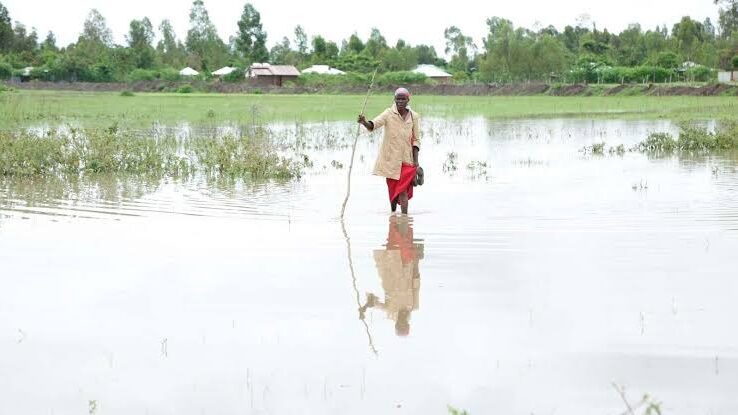
As Africa prepare for the potential impacts of the 2026/27 El Niño, one message must become central to preparedness: faith communities should be equipped before the floods, not mobilised only after disaster strikes.
This is not simply about emergency response. It is social protection.
According to Rev Denis Nthenge, the Chaplain to the arch-Bishop of the anglican Church of Kenya, Faith leaders and faith based organisations must call for early and coordinated action, warning that communities should not wait until floods have swept away people, homes and livelihoods before assistance begins. Rev Denis highlights the potential for religious institutions to work with Government, emergency responders, humanitarian organisations, local administrators and other actors before the rains intensify.
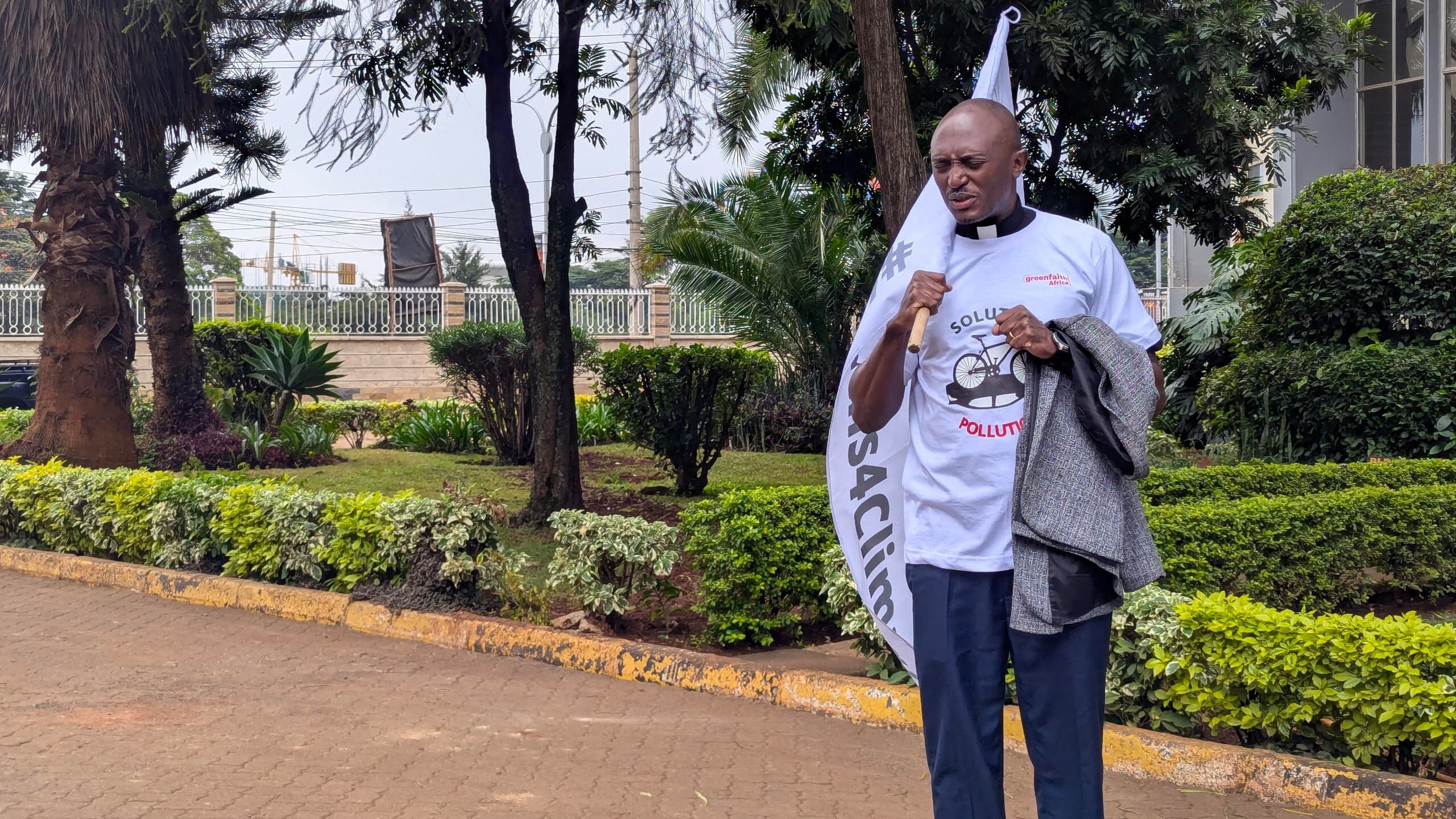
For GreenFaith Africa, this is a critical conversation about how we build anticipatory and locally led social protection systems.
Faith communities are already part of the social protection infrastructure
Across Africa, places of worship are among the most trusted and accessible institutions within communities. They have established networks, community leadership structures, volunteers, communication channels and physical spaces that can be activated during a crisis.
The question, therefore, is not whether faith communities have a role to play. The question is whether we are equipping them early enough to play that role effectively.
Rev Denis in his call to action urges faith institutions to prepare their facilities as potential emergency shelters, establish disaster response budgets, build relationships with emergency responders and identify vulnerable people including persons with disabilities who may need targeted assistance.
These are social protection functions, He says
Social protection is not only about cash transfers after a household has lost everything. It is also about anticipating risks, protecting livelihoods, preventing further vulnerability and ensuring that people can access assistance before a shock becomes a crisis.
From early warning to early action
Climate forecasts only save lives when information reaches people and leads to action.
GreenFaith Africa recognises that faith leaders can help translate technical climate information into messages communities understand and trust. Places of worship can serve as early warning and information hubs, community coordination points and channels for mobilising volunteers and resources.
But this requires investment in capacity.
Faith leaders need access to timely weather and climate information. They need to understand what different warnings mean, know which communities and households are most exposed, understand evacuation and referral systems, and have clear relationships with government, humanitarian agencies and emergency responders.
Without this capacity, early warning risks remaining just another message.
With it, early warning can become early action.
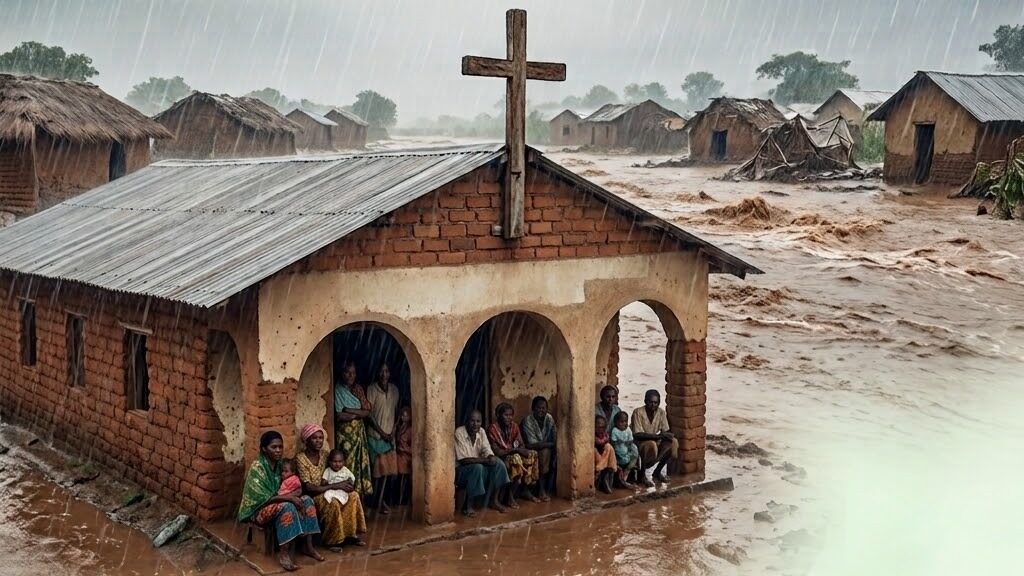
Social protection must reach the last mile
The people most affected by climate shocks are often those with the fewest resources to respond, low income households, people living in informal settlements, persons with disabilities, older people, children, small-scale farmers and people whose livelihoods depend directly on natural resources.
Rev Denis specifically highlights the need for faith partners to support people who could be displaced by floods, particularly in informal settlements, while also identifying persons with disabilities and establishing ways of reaching them quickly during emergencies.
This is where faith communities can help close the last mile gap in social protection.
A government programme may have resources and a national framework, but a local religious leader may know which household has an elderly person living alone, which family has a person with a disability, which community has nowhere safe to evacuate to, or which families are already struggling with food insecurity.
That local knowledge should not replace formal social protection systems. It should strengthen them.
Invest before the crisis
GreenFaith Africa’s proposed approach is centred on strengthening faith leaders and places of worship to anticipate and respond to El Niño-related shocks as a faith-based extension of national and regional social protection systems. It proposes building understanding of country-specific risks, identifying hotspots using both scientific information and community knowledge, and supporting catalytic action in vulnerable areas.
This is the kind of investment that must be prioritised now.
Resources should support training, preparedness planning, communication systems, emergency coordination, safe spaces, community mapping, referral mechanisms and locally led anticipatory action.
We should not wait for roads to disappear under floodwater before asking where communities will shelter. We should not wait for families to lose their livelihoods before asking how they will recover. We should not wait for disease outbreaks before preparing health and sanitation responses.
Preparedness is protection.
From charity to resilience
Faith communities have traditionally played an important role in humanitarian assistance. But the climate crisis demands that we move beyond a model where communities are supported only after suffering occurs.
We need to invest in resilience before the shock.
That means connecting faith communities to national social protection systems, climate information services, disaster management structures and humanitarian financing. It means giving trusted local actors the capacity and resources to act before the crisis peaks.
The time to prepare is now
El Niño will not affect every community in the same way. But uncertainty about the exact scale or location of impacts should not become an excuse for inaction. The appropriate response to uncertainty is preparedness.
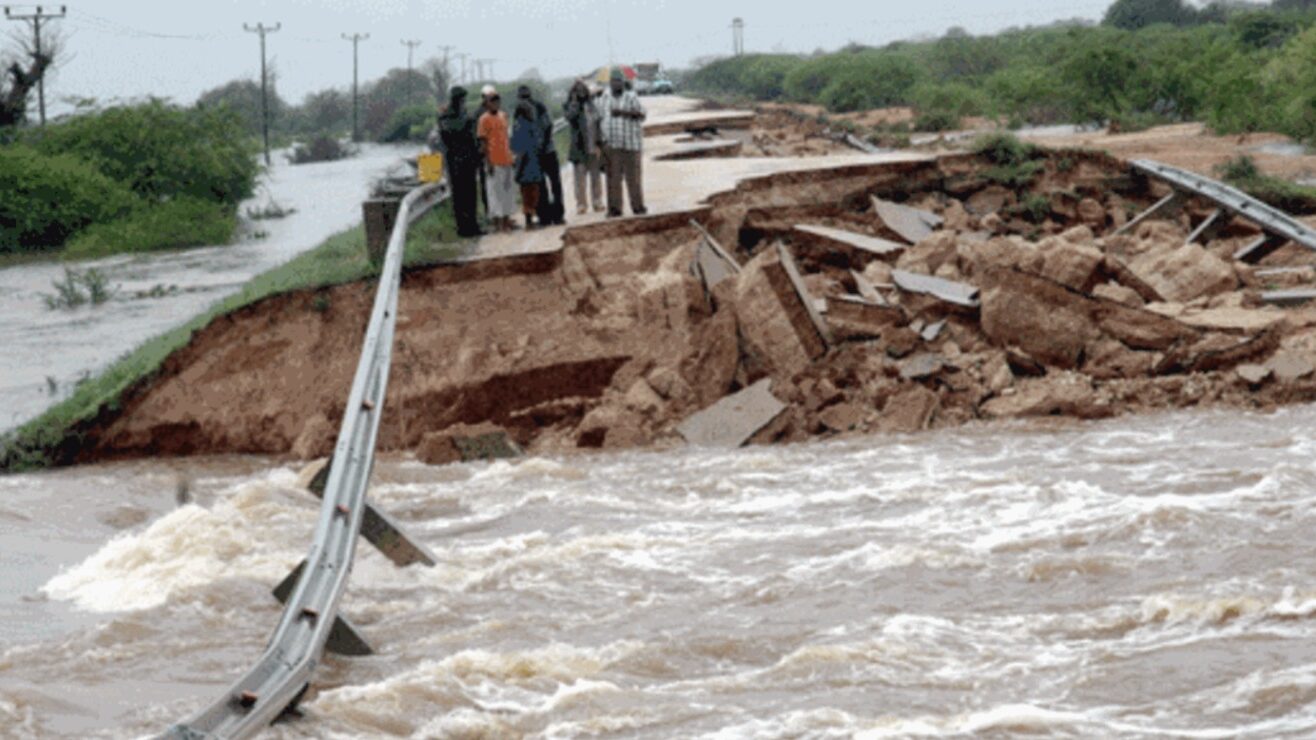
Faith communities are already embedded in the places where climate shocks will be experienced. They can help ensure that early warnings reach households, that vulnerable people are identified, that shelters and referral pathways are ready, and that communities know what to do before the waters rise.
If social protection is about protecting people from shocks, then equipping trusted faith communities to act before those shocks become disasters must be part of the equation.
Africa does not need to wait for the floods to begin before we act.
Prepare early. Protect lives. Strengthen communities. Leave no one behind.
GreenFaith Africa is working to strengthen locally rooted, faith led climate resilience and social protection as communities prepare for climate related shocks.
By Brian Misiati