
“Our faith must lead us to action, and that action must be now.”
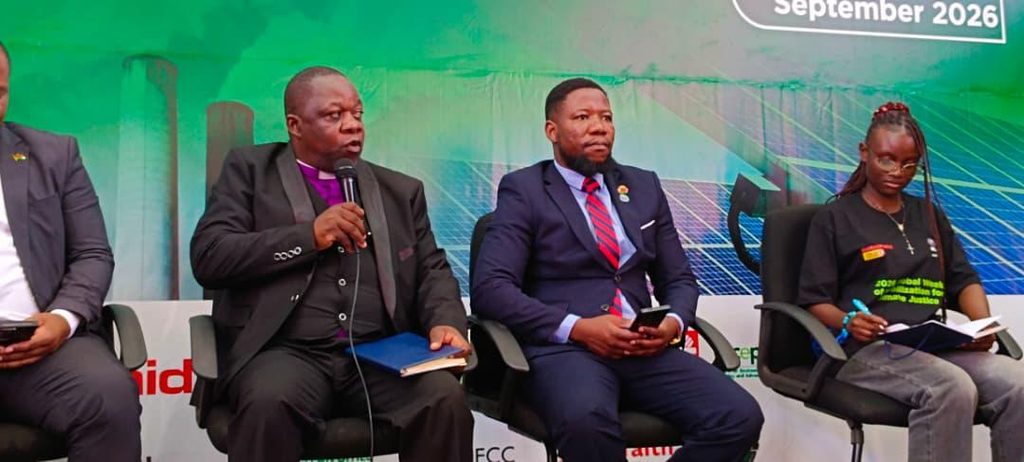
This was the resounding call from faith communities across Africa during the GreenFaith Africa Faiths4Climate Justice Week of Action 2026, held from 19–27 September 2026 and aligned with Global Week of action alonside the United Nations General Assembly High-Level Week.
Across the continent, faith communities came together around a simple but urgent conviction: faith cannot remain passive in the face of a climate crisis that is already affecting people, livelihoods, ecosystems and communities. Faith must inspire action, solidarity and justice.
The Week of Action sought to mobilise faith leaders, youth, women and frontline communities to call for climate justice in Africa, strengthen social protection safeguards, speak out against fossil-fuel pollution and demand meaningful policy action from governments.
From Malawi, the Democratic Republic of Congo, Nigeria, Ghana, Tanzania, Uganda and Kenya, GreenFaith Africa Circles mobilised churches, mosques, temples, community gatherings and grassroots networks. They brought together faith leaders, young people, women and communities living on the frontlines of climate change and fossil-fuel extraction to speak with one voice about the realities they face and the urgent action required.
The mobilisation demonstrated that faith communities are not merely observers of the climate crisis. They are communities of conscience, organising power and action.
From Worship to Witness

Throughout the week, faith communities demonstrated the power of combining worship, prayer, public witness, community organising, banners, pilgrimages, testimonies and direct advocacy.
Multi-faith public vigils created spaces where faith leaders, women, youth and frontline communities could stand together in solidarity.
Frontline testimony gatherings placed lived experience at the centre of the climate justice conversation. Communities affected by fossil-fuel extraction, flooding, drought, food insecurity, displacement, pollution and inadequate social protection were able to tell their stories directly.
These testimonies carried a powerful message: climate change is not simply an environmental issue. It is a question of justice, dignity, livelihoods, human rights and the protection of vulnerable communities.
Faith communities also convened “Faith Leaders Speak Truth to Power” dialogues, engaging government representatives and policymakers with clear accountability questions and demands. In some countries, faith to government and faith to parliament delegations presented national climate justice and social protection calls, reminding decision makers that communities expect commitments to translate into action.
Giving Communities a Voice

The Week of Action also created spaces for intergenerational dialogue.
Frontline community representatives came together to discuss how climate change is reshaping their communities and what a just transition should look like.
Through Community circles, participants documented the impacts of climate change on livelihoods, access to essential services and social protection. These conversations helped ensure that policy demands were grounded in the realities of people experiencing the crisis.
Young people and women were particularly central to the mobilisation. Their leadership demonstrated that the future of climate action cannot be separated from the voices and experiences of those who are already organising for a more just and resilient future.
Faith from the Pulpit to the Community
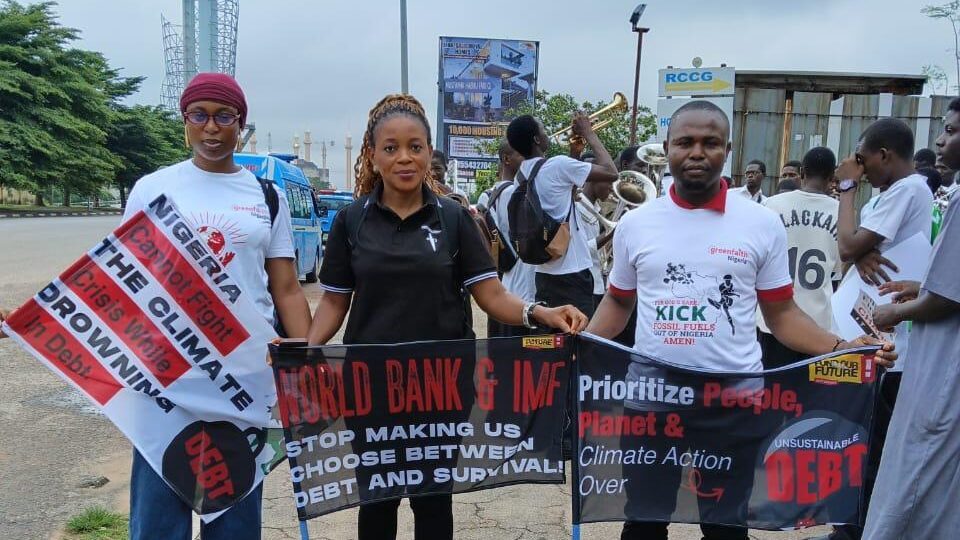
Across congregations, climate justice became part of worship and reflection.
Climate justice sermons, khutbahs, prayers and faith reflections invited congregations to consider the moral responsibility of protecting creation and defending communities facing disproportionate climate impacts.
Digital spaces extended these conversations beyond physical gatherings. Digital testimony campaigns and short videos from grassroots communities and faith leaders helped bring frontline experiences to wider audiences, demonstrating the power of faith networks to amplify voices that are often excluded from policy discussions.
The mobilisation also highlighted solutions.
From National Mobilisation to Policy Action

Across the countries participating in the Week of Action, faith communities developed or advanced National Faith Climate Justice Communiqués, bringing together specific policy demands and calls for government action.
These efforts were complemented by innovative actions shaped by each country’s political, social, cultural and faith context. These included letters to decision makers, public statements, community advocacy, creative expressions, solidarity actions and other locally led initiatives.
What connected these diverse actions was a common message,
Africa Can’t Wait, Africa cannot afford climate inaction
Communities need climate policies that protect lives and livelihoods. They need stronger social protection systems that can respond to climate shocks. They need access to climate finance, renewable energy and clean cooking solutions. They need protection from pollution and meaningful participation in decisions that affect their land, health and future.
And they need governments and institutions to listen to the communities already experiencing the consequences of the climate crisis.
Faith Must Move Us to Action

The Faiths4Climate Justice Week of Action 2026 demonstrated what becomes possible when faith is translated into collective action.
Across Africa, communities prayed, marched, gathered, listened, testified, organised, advocated and demanded change.
The message was not simply that climate change is a crisis. It was that we have a moral responsibility to act.
Faith communities are uniquely positioned to bring people together across generations, denominations, religions and communities. They can connect moral conviction with public action and transform places of worship into spaces for education, mobilisation, solidarity and solutions.
As the Week of Action came to a close, one message remained clear:
Our faith must lead us to action.
Our action must defend life.
And that action must be NOW.
The climate crisis will not wait. Neither should we.
Africa’s faith communities are ready to act.
By Brian Misiati