
EACOP, Broken Promises, and Communities in Tanzania and Uganda Waiting for Justice
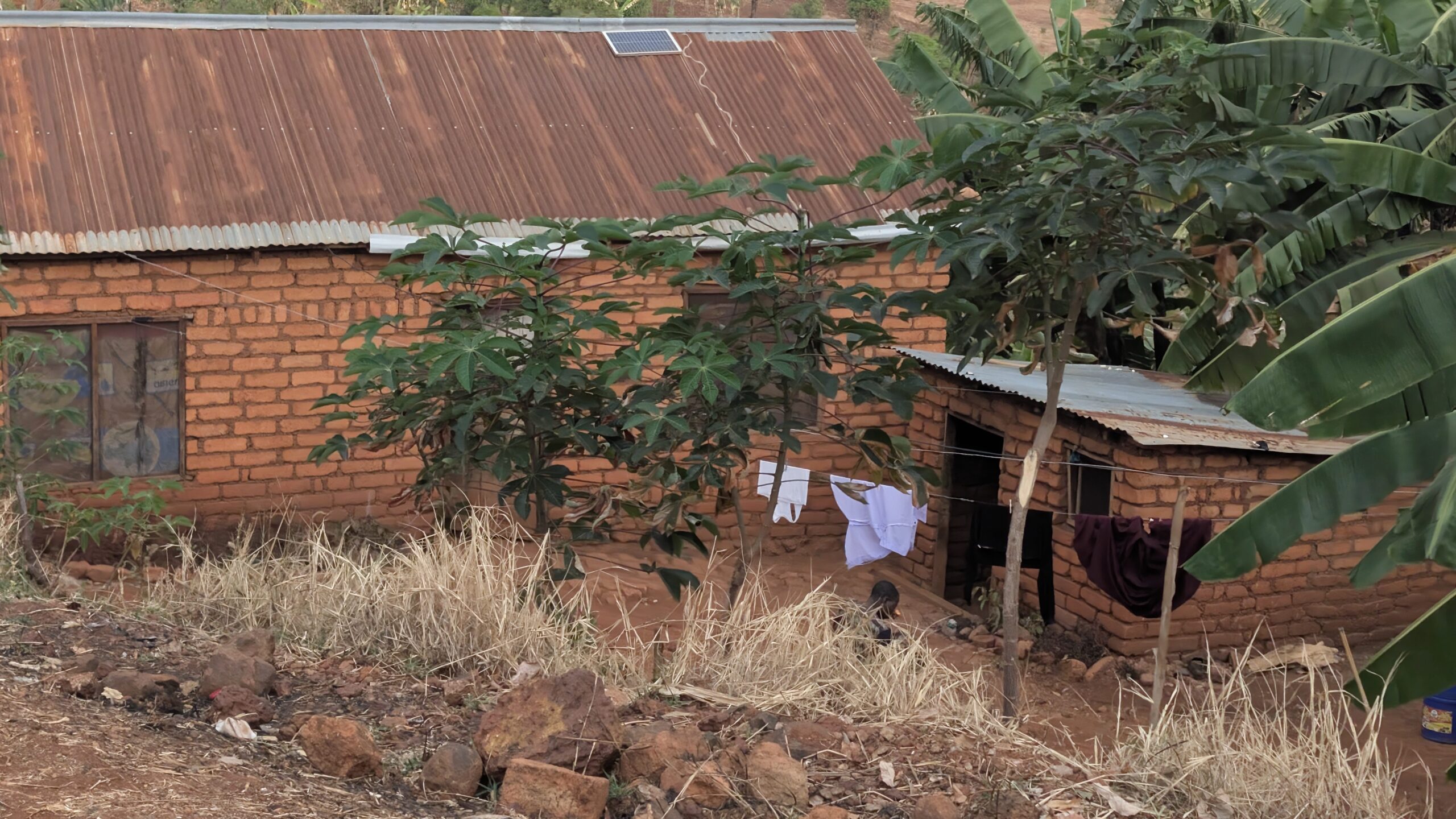
The candle is burning low when Mwajuma’s children open their exercise books. There is no electric bulb above them, only a trembling flame that bends whenever the night breeze enters their home. Sometimes, Mwajuma buys kerosene for their small kibatari. But fuel has become expensive, and some evenings, there is simply no money. Her children lean closer to the candle, struggling to read. “Sina umeme,” she tells me. “My children cannot study properly at night. They use the kibatari when we can afford kerosene. Most of the time, they use candles, and the light is very weak.” While Mwajuma’s children struggle with darkness, East Africa continues waiting for another promised light: the economic prosperity associated with oil.
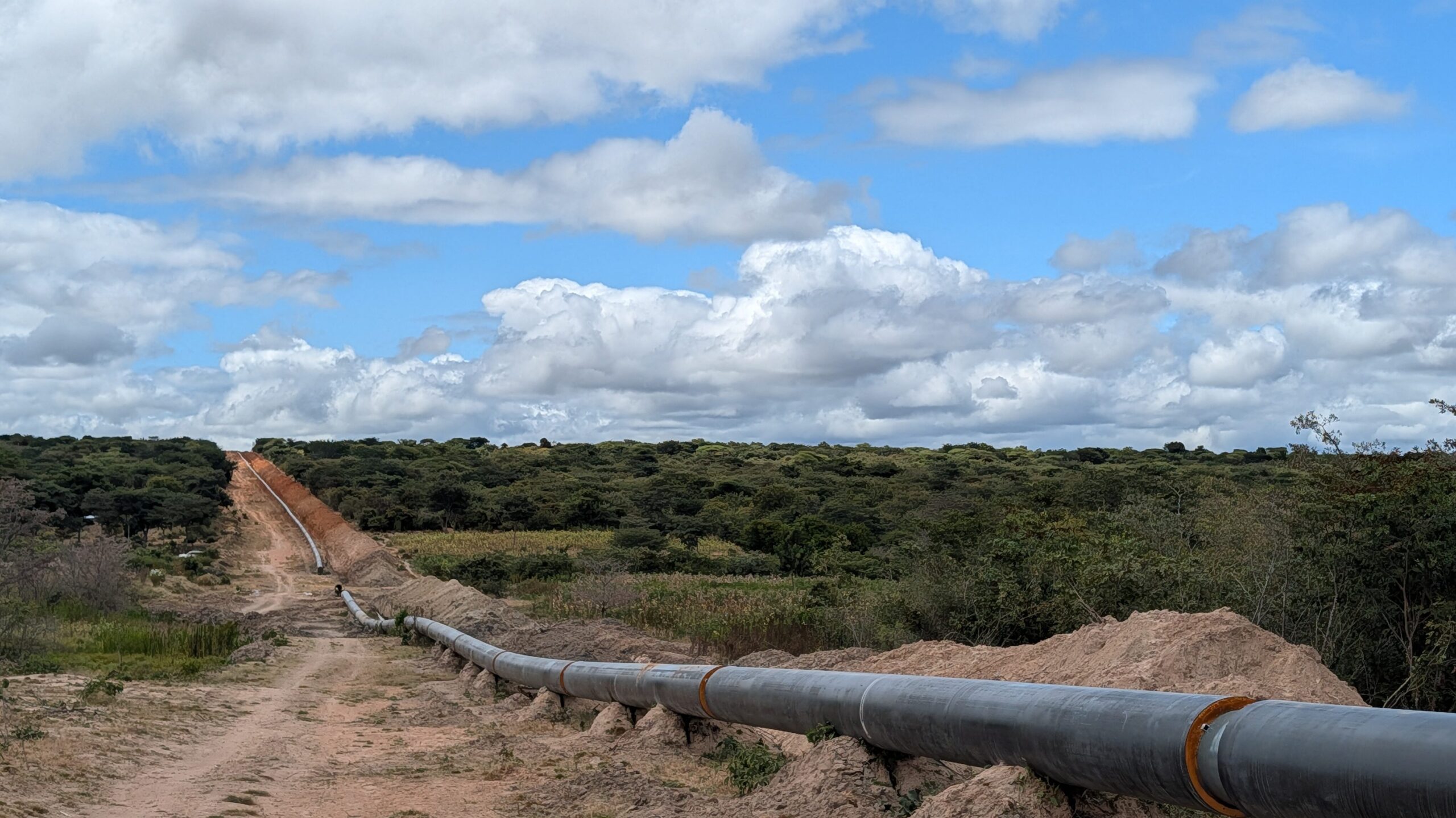
For years, communities in Uganda and Tanzania have been told that oil will bring jobs, electricity, roads, water, investment and opportunities for young people. The East African Crude Oil Pipeline (EACOP), a 1,443-kilometre project designed to transport crude oil from Uganda’s Lake Albert region to Tanzania’s Indian Ocean coast, has been presented as a pathway to national development. Yet the promised first barrel has not arrived.
Uganda’s anticipated July 2026 start of commercial oil production has passed, with first oil now projected before the end of June 2027. Although EACOP is reportedly largely complete, final integration and commissioning remain part of the journey. For governments and investors, this is an infrastructure delay. For affected communities, it can mean another year of uncertainty, lost agricultural opportunities, and waiting for benefits that remain beyond reach. If development keeps being delayed while communities already bear its costs, can we honestly call it development? Meryne Warah, Executive Director of GreenFaith Africa, captures this contradiction with a powerful question: “Development delay: is it development really?”
The people beneath the pipeline
Development is measured in billions of dollars, kilometres of infrastructure and projected revenues. Communities measure it in acres, harvests, food, water and whether their children can study after sunset. Research and reporting on EACOP have raised concerns about delayed or inadequate compensation, restrictions on land use, declining agricultural productivity and difficulties obtaining equivalent replacement land. Global Witness has reported that some affected households waited years for compensation while land prices increased, making replacement land increasingly unaffordable.
The project’s human-rights assessment has also acknowledged stakeholder concerns regarding compensation, livelihood restoration, communal resources and delays. For families whose survival depends on agriculture, losing access to productive land can mean losing more than property. It can mean losing food security, independence, and inheritance.
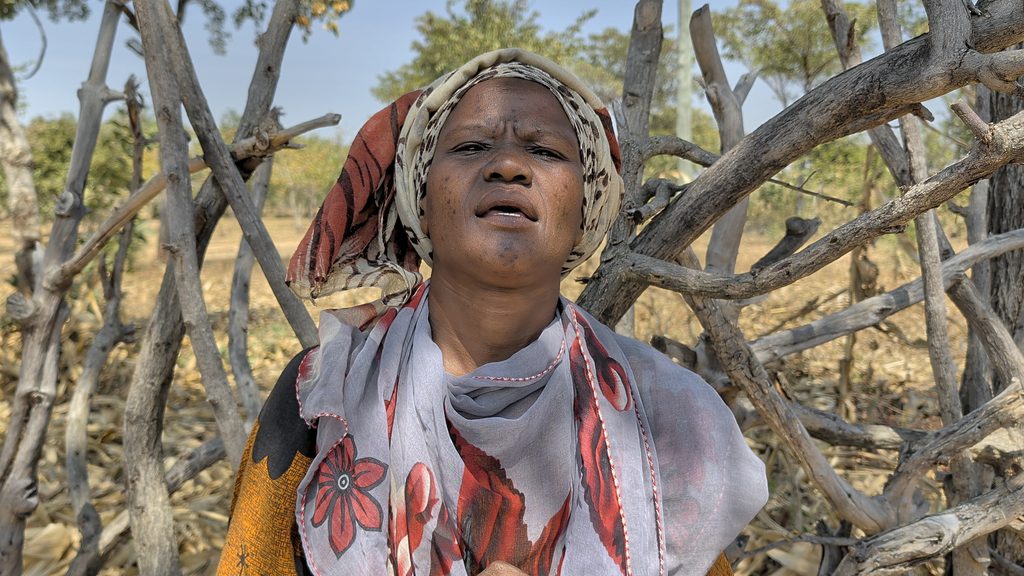
In Nkomelo Village, Kagera, Mage Augustino’s experience illustrates the human consequences of land acquisition. Her land represents more than an asset: it is the foundation of her family’s livelihood. When productive land disappears, the consequences continue long after compensation is paid. A household that once depended on its harvest may have to purchase food. A farmer may become dependent on casual labour, while children face additional pressures as family income declines. The question is not simply whether compensation was provided, but whether it can genuinely restore the life that was lost.
Hamis, whose experience has been described in Singida, reportedly lost more than four acres and considered his compensation inadequate. Four acres can represent seasons of maize and cassava, food for a family and an inheritance for future generations. These figures must never become so abstract that we forget the people behind them.
The farmer does not live in a projection
The central contradiction of EACOP is that anticipated benefits lie in the future while some of the costs are already being experienced. A financial model can calculate future oil revenues. An engineer can measure completed infrastructure. But a farmer cannot eat projected profits, and a child cannot study using a promised barrel of oil. Families need food, water, electricity, secure land and dignity today. Instead of asking only when oil will begin flowing, we must ask: When will development begin flowing to the people?
A different energy future is possible
Uganda and Tanzania do not have to choose between poverty and fossil fuels. Their renewable-energy opportunities include solar power, wind, geothermal energy, hydropower and sustainable biomass. Tanzania has significant geothermal potential, estimated at more than 650 megawatts, while wind resources have been identified in locations including Kititimo and Makambako. Solar power offers particular opportunities to expand decentralized electricity access.
Imagine a village with a solar-powered water system. Women spend less time searching for water. Farmers use solar irrigation to strengthen food production. Schools provide lighting after sunset, while health centres maintain reliable electricity. Young people establish businesses installing solar systems, and agricultural waste becomes fuel briquettes. This is development people can experience directly, not simply infrastructure passing through their communities.
Renewable energy is not automatically just. Solar and wind projects must also respect land rights, protect ecosystems and involve affected communities. The principle is that energy development must be democratic: people should participate in decisions, share benefits and have access to decent livelihoods. For communities of faith, sunlight, wind and geothermal heat can also be understood as gifts from God, entrusted to humanity to sustain life. The challenge is to develop these resources responsibly, ensuring that energy systems serve people rather than sacrifice their futures.
Fossil fuels can delay the development they promise
Fossil-fuel infrastructure can lock countries into long-term investments dependent on continued extraction and combustion, even as the global energy system transitions towards cleaner alternatives. This creates economic risks when public resources, political attention and institutional capacity become tied to infrastructure whose future returns remain uncertain. The question is not whether Uganda and Tanzania deserve development. They do. The question is whether investment should prioritise yesterday’s energy system or expand tomorrow’s opportunities. Communities along the EACOP route might describe development differently: reliable electricity, clean water, better schools, accessible healthcare, agricultural support, affordable clean cooking, secure land, climate-resilient livelihoods and meaningful employment for young people. These are not small demands. They are the foundations of dignified life, and many can be delivered without waiting for the first barrel of oil.
Beyond the barrel
Imagine young Tanzanians trained to build the renewable-energy economy, women owning clean-energy enterprises, farmers producing food and energy together, and community cooperatives investing in locally controlled mini-grids. Such a future would represent more than an energy transition. It would be a development transition one in which communities become participants and owners rather than spectators of decisions made elsewhere.
The delay surrounding EACOP should therefore create space for a deeper conversation about Tanzania’s and Uganda’s futures. Governments, investors and development partners must ask whether communities are genuinely better off, whether livelihoods have been restored and whether promised benefits are reaching those who have carried the greatest burdens.
At sunset, the pipeline remains beneath the earth, and the first commercial barrel is still awaited. Above these communities, however, the sun continues to rise. The wind keeps moving, and the earth keeps holding its geothermal heat. These resources will not eliminate poverty overnight. But they offer pathways towards decentralized energy, local enterprise, stronger livelihoods and greater community participation. If oil development is delayed, why should our people’s development be delayed with it?
The people of Uganda and Tanzania have waited long enough. Development must mean more than projected revenues and completed infrastructure. It must mean secure land, restored livelihoods, accessible energy, and lives improved today.
Perhaps the real challenge is not finding another resource beneath our feet, but recognizing the resources around us and building an economy that allows them to enrich communities without sacrificing their dignity, environment and future. The future does not have to wait for oil. The sun is already here. The wind is already moving.
By Baraka Machumu