
Day 1–2 | Antalya, Türkiye
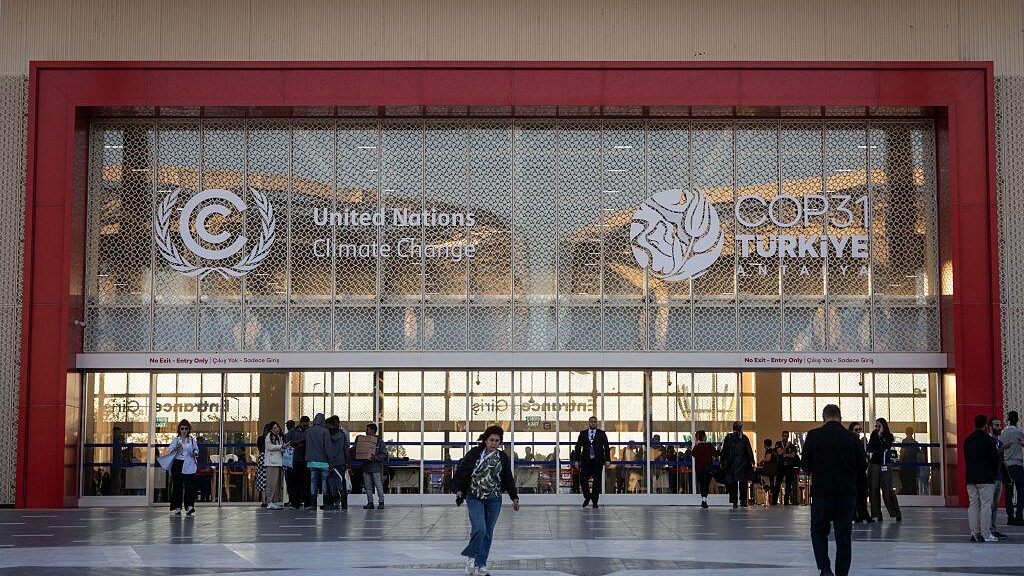
COP31’s implementation test is not whether the world can produce another declaration; it is whether commitments become protection, resources and opportunity for people already living with climate disruption.
COP31 convenes in Antalya, Türkiye, from 9–20 November 2026, under the promise of turning climate ambition into action. But the first two days have made one point unmistakable: the distance between political language and funded delivery remains wide. The conference is still in its opening phase; the negotiations ahead determine whether it earns the title “Implementation COP”.
Day 1: The opening agenda was adopted after intensive consultations. Yet the African Group’s proposal for a dedicated agenda item on tripling adaptation finance did not secure consensus. Parties agreed that the issue could continue to be addressed elsewhere, including through adaptation and climate-finance processes. This procedural compromise keeps the discussion alive, but it does not guarantee a finance pathway, a timetable or money reaching vulnerable communities. The proposed Presidency-led cover decision has therefore become a consequential space to connect adaptation, mitigation, finance, loss and damage, and implementation without weakening existing commitments.
Day 2 brought negotiations on the Mitigation Work Programme, the Global Goal on Adaptation, climate finance and the Fund for Responding to Loss and Damage. Positions remain divided on the design and duration of mitigation work, adaptation indicators and finance responsibilities. The scale of the loss-and-damage shortfall is especially stark: 176 formal funding applications request submitted by developing countries to the Fund for Responding to Loss and Damage (FRLD) seeking financial support to address climate-related losses and damages under the Fund’s Barbados Implementation Modalities (BIM) total about US$2.8 billion, against US$350 million available. That is not simply an accounting gap; it is the difference between communities’ urgent needs and the support currently within reach.
Implementation must also be judged by the energy transition. COP31’s electrification discussions and calls to advance transition-away-from-fossil-fuels roadmaps offer momentum, but electricity expansion is not automatically a just transition. Without renewable power “Renewables Done Right”, affordable access, grid investment and safeguards, new demand can entrench fossil gas and reproduce extractive patterns. Africa needs an energy transition that builds local capacity and industry, creates decent work, supports clean cooking and enables communities to own and benefit from energy systems not one that exports raw materials while importing expensive technologies.
For GreenFaith Africa, implementation is a moral commitment made measurable. Faith communities are trusted institutions and frontline actors: Circle of Care can connect climate resilience with social protection and solidarity; Africa Grassroot Women of Faith in Energy (AWFE) places women’s leadership and energy justice at the centre; and Renewables Done Right advances affordable, equitable and community-owned clean energy. These efforts insist that local knowledge, women, Indigenous Peoples, workers and climate-affected communities shape decisions not merely receive projects after decisions have been made.
Our message to COP31 is clear: enforce predictable, additional, grant-based adaptation finance with direct, simplified access for local actors; end the debt trap by ensuring climate support does not deepen the liabilities of vulnerable countries; fully resource Loss and Damage; operationalise a Just Transition Mechanism with social protection and decent work; and guarantee universal, equitable energy access alongside local industrial value-addition, skills, manufacturing and community ownership. Finance must be accountable for who receives it, what it delivers and whose lives improve.
These are only Days 1 and 2. The remaining conference days must convert political signals into negotiated decisions, funded plans, transparent milestones and accountability. Faith leaders, states and non-state actors should ask one defining question: does implementation put resources and power in the hands of the people facing climate impacts or leave them waiting beneath another promise? Africa cannot wait for unfunded resilience, transition without livelihoods or climate finance that arrives as debt.
COP31 must make justice visible in budgets, access, jobs and community control. That is how Antalya can become an Implementation COP.