
Day 6 | 14 November 2026
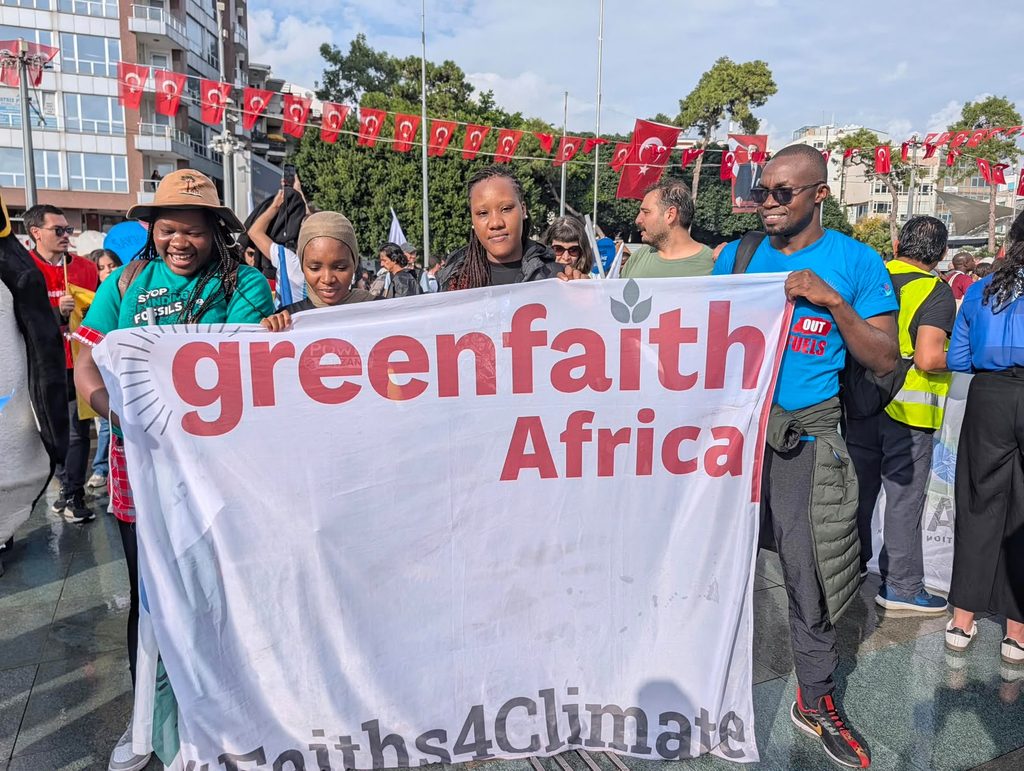
On Saturday, Antalya’s streets carried a message that negotiating rooms have not yet answered. Thousands joined the People’s Climate March on 14 November, the Global Day of Action alongside COP31, calling for climate justice, an end to fossil fuels and a just transition that puts people and the planet before corporate profit. The march opened the People’s Climate Summit and brought grassroots and communities, climate, labour, environmental and rights movements into public view.
This was not simply a protest against a conference. It was a reminder of who climate decisions are meant to serve. For a farmer watching rainfall become unreliable, a family whose home floods, a woman walking farther for water & fuelwood for energy and a village facing land loss, climate negotiations are not distant diplomacy: they shape food, energy, livelihoods, safety and the future of children. Local grassroots movements in Antalya made that connection visible by sharing their work to defend villages and land. Their message was clear: communities are not obstacles to development; they are rights-holders, knowledge-bearers and frontline protectors.
The march also made space for people whose rights are often threatened. Indigenous Peoples, Local and rural communities, women and girls, Environmental and human rights defenders, Smallholder farmers, pastoralists and fisherfolk, Young people and children, Persons with disabilities, Migrants, refugees and displaced people, People of African descent and marginalised ethnic groups and Informal workers activists participated despite a hostile climate for their rights, with civil society groups and media creating a protective presence before flags were unfurled. This was solidarity in practice: climate justice cannot be separated from human dignity, freedom of association, gender equality or the safety of people who speak up.
Inside COP31, the halfway point offered no grounds for complacency. The technical negotiations closed late, with uneven progress and many difficult questions pushed into the political week. The Global Goal on Adaptation text was forwarded to the next governing-body stage while explicitly remaining without consensus; agriculture and food-security talks ended with procedural conclusions rather than a substantive agreement. The Just Transition Mechanism and its relationship with the Just Transition Work Programme remained unresolved, while parties continued to contest the scale, quality and access conditions of adaptation finance. These are not merely diplomatic details: without finance, technology and practical support, communities cannot adapt, recover or build secure livelihoods.
Some announcements and initiatives offered signals of action including new climate-finance contributions and wider electrification conversations but pledges and proposals are not the same as money reaching a village, a school, a clinic or a household. COP31’s second week must turn ambition into delivery: predictable grant-based adaptation finance; accessible loss-and-damage support; a fair, funded transition away from fossil fuels; clean and affordable electricity; protection of land and ecosystems; and decent jobs, skills and social protection for workers and communities.
For Africa, the test is especially practical. A just transition must power homes and hospitals, support farmers and small businesses, create local value from resources, and ensure communities have a meaningful voice in decisions affecting their land. Faith communities can help translate global commitments into local accountability; organising, educating, protecting vulnerable neighbours and asking governments and polluters to honour their responsibilities.
The streets of Antalya have already delivered their verdict: people are ready to act, but they will not accept a transition that leaves them behind. Ministers and negotiators now have a choice to treat the march as noise outside the venue, or as a public mandate for decisions that protect people before profit. COP31 will be judged not by the length of its texts, but by whether justice reaches the ground.