
Day 5 | Antalya, Türkiye
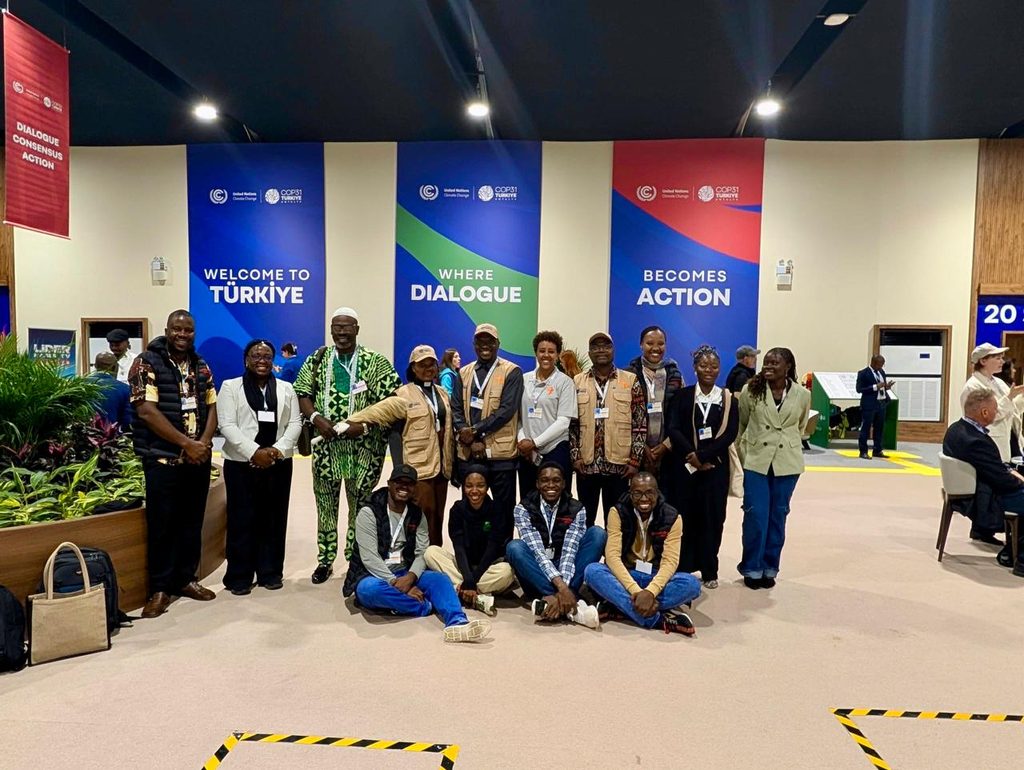
Day Five of COP31 placed finance and trade at the centre of the conversation. The world leaders’ summit had ended; negotiators were left to turn political speeches into decisions. The first informal draft of the COP31 cover decision appeared on Friday, but it largely gathered views rather than resolving them. Its references to clean electrification and the roadmaps launched at COP30 still need clearer commitments, timelines and follow-through. The test is whether the text connects the global temperature goal, national climate plans and practical action before the next Global Stocktake.
Finance Day exposed the gap between the scale of need and the response on offer. The ministerial dialogue reviewed the old US$100 billion climate-finance goal, which was reached late and largely through loans, with figures still contested. At COP31, no significant new public climate-finance pledges were announced; the United Kingdom and Canada reiterated existing commitments. Developing countries continue to demand a credible pathway to the US$300 billion annual goal under the New Collective Quantified Goal (NCQG) and the wider US$1.3 trillion Baku-to-Belém roadmap. Tripling adaptation finance remains widely supported, but governments have not agreed the baseline, timetable or practical delivery route.
That uncertainty is not an abstract negotiating problem. It means a farmer may still face drought without irrigation or insurance; a coastal community may rebuild after flooding without predictable support; and a local clinic may lack reliable power during extreme heat. Climate finance must be counted not only when it is announced, but when it arrives, on what terms, and whether people can use it. Africa needs finance that is predictable, accessible and predominantly grant-based for adaptation and Loss and Damage not loans that make climate-vulnerable countries pay again for a crisis they did little to cause.
Trade discussions offered a different but connected opportunity: climate action can support resilient value chains, industrial competitiveness and inclusive development. Yet this promise will only benefit Africa if countries can process critical minerals and agricultural products locally, access technology and affordable capital, build skills and decent jobs, and protect workers and communities. Green trade must not become a new barrier that penalises African producers while richer economies retain finance and technology advantages.
Friday’s negotiations also sharpened the political challenge. The cover decision could link adaptation finance, implementation of the first Global Stocktake, electrification, the transition away from fossil fuels and deforestation. But early text remains a collection of positions, and the Mitigation Work Programme ended its sessions without a clear way forward. Agriculture and food-security negotiations were pushed to SB66 in June 2027, an alarming delay when the 2026–27 El Niño is forecast to expose 49 million people to acute hunger.
GreenFaith Africa calls on the COP31 Presidencies and ministers to move beyond open-ended dialogue and provide the political leadership needed for agreement. The cover decision must give adaptation finance a credible timetable; connect the COP30 roadmaps to measurable implementation; advance a just transition away from fossil fuels; and strengthen finance institutions so support reaches frontline communities, women, Indigenous Peoples, local authorities and grassroots organisations. Australia, as a leader in the COP31 partnership, should help build this bridge from negotiation to delivery not dilute it.
For communities outside Antalya, the message is simple: COP31 is not successful because leaders meet or documents are published. It succeeds when funding reaches people, clean energy powers homes and livelihoods, climate shocks no longer push families deeper into poverty, and Africa’s resources create prosperity at home.
The implementation question is now unavoidable: who will pay, when will the money arrive, and who will feel the difference? Africa cannot wait for another promise.