
By the shores of Chongoleani in Tanzania’s Tanga Region, the sea has long been more than a body of
water. For generations, it has been a source of food, income, culture, and identity. Families depended
on fishing grounds, mangrove forests, and coastal ecosystems that sustained both livelihoods and local
biodiversity. Today, many residents say that relationship is changing.
Standing outside her home, Mwansiwa, a lifelong resident of Chongoleani, reflects on how life has
transformed since the arrival of the East African Crude Oil Pipeline (EACOP) project. “I have lived in this
area all my life,” she says. “Before the pipeline project, my family and many others depended on the
natural resources around us. The land and the sea were essential to our survival.”
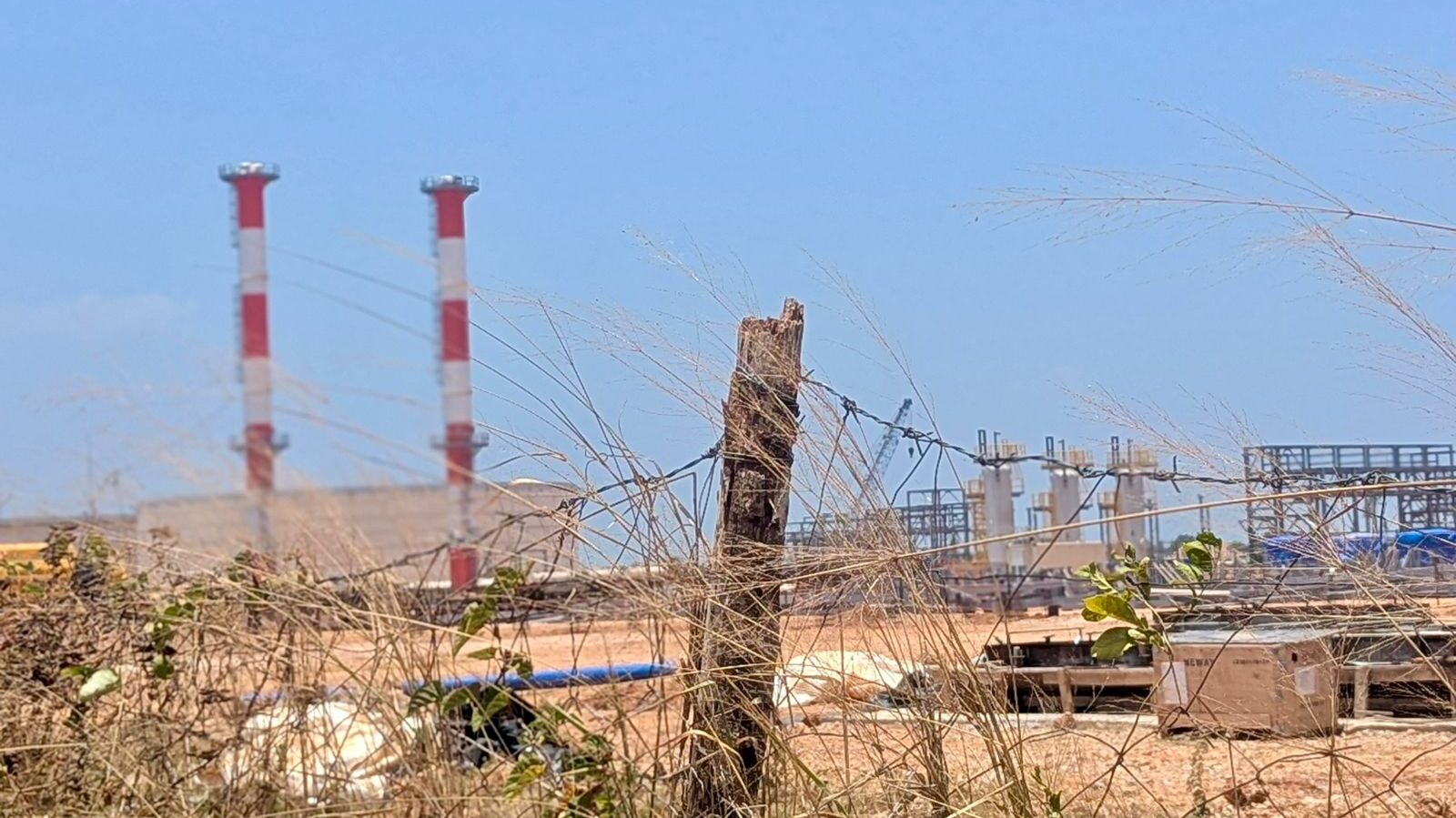
The East African Crude Oil Pipeline, a major infrastructure project designed to transport crude oil from
Uganda’s oil fields to the Tanzanian port city of Tanga, has been promoted as a catalyst for economic
growth, investment, and regional development. Supporters argue that it will generate jobs, government
revenue, and new opportunities for both countries. Yet for many communities living along the project’s
route, the promises of development have been accompanied by difficult trade-offs. According to
Mwansiwa, some residents lost access to land they had relied on for farming, fishing, or other income-
generating activities. Others were displaced or saw portions of their land acquired for project-related
activities. Compensation was intended to help affected families rebuild their lives. However, many
community members say the payments they received have not been enough to replace what was lost.
“People expected compensation that would allow them to restore their lives,” Mwansiwa explains. “But
many still feel that it was not enough. Some families are still struggling to build homes and re-establish
their livelihoods.”
These concerns echo issues raised by civil society organizations, researchers, and human rights groups
that have monitored the project over the years. Reports have documented complaints from some
affected households regarding compensation levels, delays in payments, and challenges in restoring
income after land acquisition. While project developers have stated that compensation processes were
conducted in accordance with applicable laws and standards, disagreements over adequacy and
implementation continue to be a point of contention among some residents.
Beyond compensation, environmental concerns have become a major source of anxiety for coastal
communities. The ecosystems surrounding Tanga’s coastline are ecologically significant. Mangrove
forests help stabilize shorelines, protect against erosion, and serve as nurseries for fish and other marine
species. Coral reefs support fisheries, tourism, and marine biodiversity. Any degradation of these
habitats can have long-term consequences for both ecosystems and local economies. For fishermen in
Chongoleani, changes in marine resources are already being noticed. “We have seen changes in fish
availability,” says Mwansiwa. “We worry when mangroves are cut down and coral reefs are damaged
because these are the breeding grounds for fish and the foundation of our livelihoods.” Scientists have
long recognized the importance of mangroves and coral reefs to coastal fisheries. Studies across East
Africa have shown that healthy mangrove ecosystems contribute significantly to fish populations by
providing shelter and breeding habitats for numerous species. Coral reefs perform a similar function
while also protecting coastlines from storm surges and erosion.
Restrictions on access to some fishing areas have further complicated matters for local fishermen.
According to community members, some traditional fishing grounds have become inaccessible, forcing
fishers to travel farther in search of catches. For those using small traditional canoes, reaching distant
fishing zones is often impossible. “The restrictions mean many fishermen cannot access the places
where they used to fish,” Mwansiwa says. “Without modern boats, it becomes very difficult to earn a
living.” To address livelihood losses, various alternative income programs have been introduced. These
initiatives are intended to help affected households diversify their sources of income and reduce
dependence on activities disrupted by the project. However, community members say some programs
have failed to align with local realities. “We were trained in beekeeping, something many of us had
never done before,” Mwansiwa explains. “Fishermen were promised modern boats, but they have still
not arrived.” Development specialists often note that livelihood restoration programs are most effective
when they build upon existing skills, local knowledge, and market opportunities. When replacement
livelihoods differ significantly from traditional occupations, communities can struggle to maintain them
over the long term. For residents like Mwansiwa, the debate is not about opposing development.
Rather, it is about ensuring that the benefits and burdens of development are shared fairly.

Across Africa, governments face growing pressure to balance economic growth with environmental
protection and community rights. Large-scale infrastructure projects can deliver substantial economic
gains, but they can also create social and environmental costs that fall disproportionately on local
communities. As construction and development continue, residents of Chongoleani hope their
experiences will not be overlooked. “I do not speak because I am against development,” Mwansiwa
says. “I speak because development should go hand in hand with justice for people and protection of
the environment.” Her words reflect a broader question facing many communities across the continent:
How can nations pursue ambitious development projects while ensuring that those who bear the
greatest impacts are not left behind? For the people of Chongoleani, the answer may determine not
only the future of their community, but also the future of the sea that has sustained them for
generations.