
Scaling up Climate Justice and Social Protection Campaign Cannot Wait
In Ayetoro, a coastal community in Ondo State bedeviled by the negative impact of fossil fuel enabled climate crisis, is no longer a distant threat, it is a daily reality. Rising seas are swallowing homes, roads,health care centres, schools, places of worship, and livelihoods. Families are repeatedly displaced, while women and children bear the heaviest burdens. What is happening in Ayetoro is a stark reminder that climate change is not only an environmental issue but it is a moral, social, and spiritual challenge.

During GreenFaith Nigeria’s first visit to Ayetoro under the Comic Relief Social Protection and Climate Adaptation Project, residents shared sad stories of loss, resilience, and uncertainty. Sea intrusion continues to erode land and infrastructure, while health facilities struggle with flooding, poor air quality and deteriorating conditions. Livelihoods tied to fishing and local commerce are increasingly threatened, pushing already vulnerable households deeper into insecurity.
Yet amid these challenges, one message stood out: communities cannot face climate impacts alone and their voices and presence are urgently needed at the governance table. Effective climate adaptation must go hand in hand with social protection. Families need support systems that help them withstand displacement, protect their livelihoods, access healthcare, preserve important cultural history and heritage, and recover from recurring climate shocks.
For faith communities, this is a call to action. Our sacred traditions teach care for the vulnerable, stewardship of creation, and the pursuit of justice. Climate adaptation is therefore not merely a technical response, it is an expression of our deepest values. Faith institutions have a unique role in mobilizing compassion, strengthening community resilience, and amplifying the voices of those most affected.
GreenFaith Nigeria’s proposed Ayetoro Circle of Care offers one example of how faith can be translated into practical action. By supporting women’s economic empowerment, promoting sustainable livelihood options, strengthening community solidarity, and encouraging civic engagement, the initiative seeks to build resilience from the ground up.
At the same time, communities like Ayetoro should not carry this burden alone. Governments, policymakers, and industries whose activities contribute to environmental degradation must be held accountable. Social protection and climate adaptation should be treated as urgent public priorities, backed by adequate funding, inclusive policies, and long-term commitments.
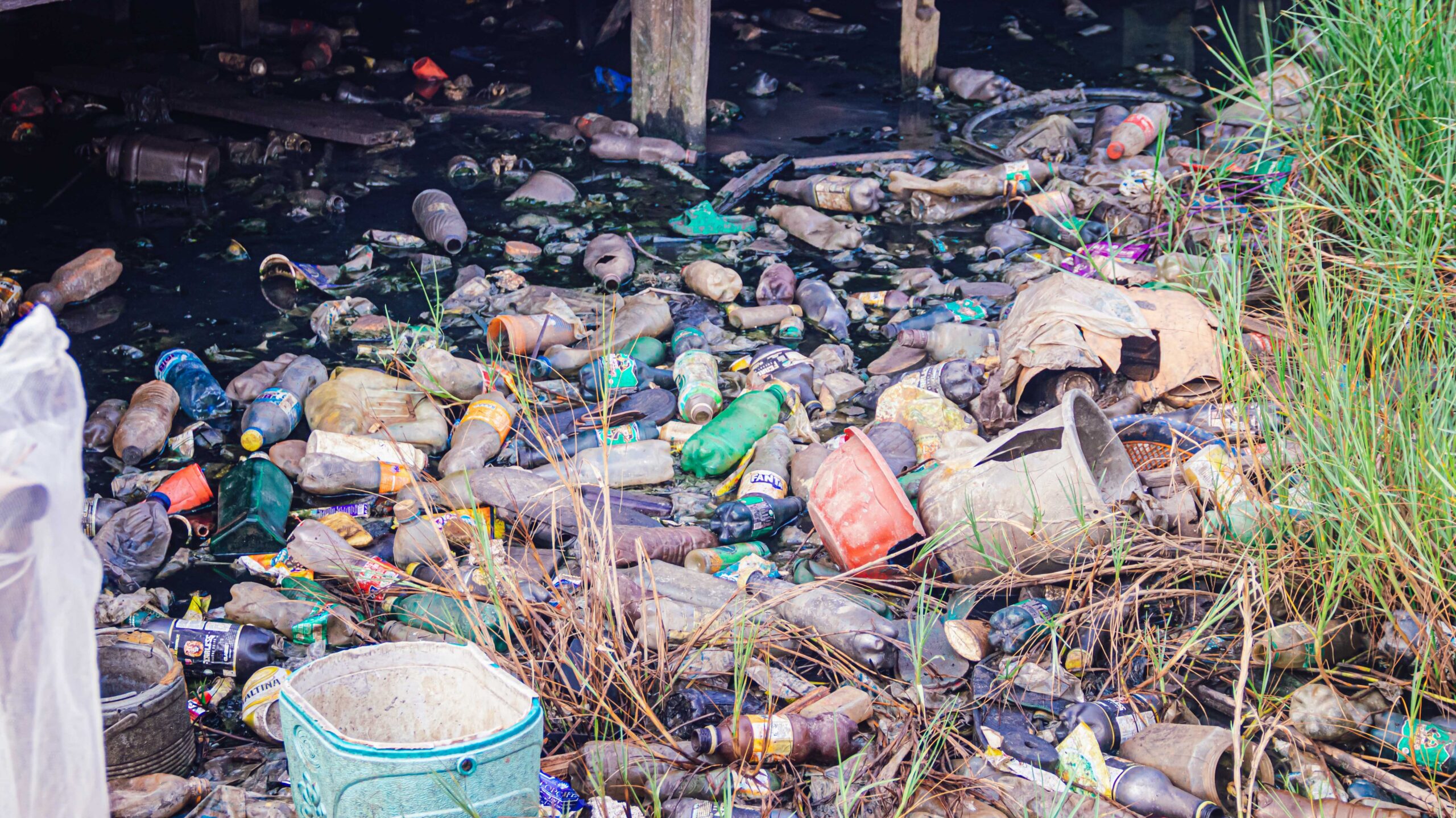
Faith leaders, congregations, and religious institutions can help raise awareness, advocate for climate justice, support vulnerable households, and create spaces where affected communities are heard. The voices of women, youth, and children living on the frontlines of climate change must shape the solutions that affect their future.
Ayetoro’s story is a warning, but it is also an invitation. It challenges us to move beyond sympathy toward solidarity, beyond concern toward action. As people of faith, we are called to stand with communities facing the impacts of climate change and to work together for a future where dignity, protection, and resilience are available to all.
The rising sea in Ayetoro is not only a local issue. It is a test of our collective commitment to justice, compassion, and care for our common home.
#HealOurLandNG
#SaveAyetoro
#Faiths4Climate