
Last week in Alokpatsa, a rural community in Ghana’s Oti Region, I encountered a reality that challenged many of the assumptions underpinning today’s climate dialogue processes.
As global conversations increasingly focus on a “Just Transition,” I found myself asking a different question: Before we talk about transition, should we first talk about access? And perhaps an even more important question: Who gets to define what a just transition means? Is it the policymakers, development practitioners, financiers, and advocates who often design solutions for communities? Or should it begin with the people whose lives will be most affected by those solutions? How often have we sat with a local community member and had a candid conversation about major energy initiatives such as Mission 300 tenets like what they are intended to achieve, the financial models behind them, the trade-offs they may create, and what success would actually look like from a community perspective? More importantly, how often have we listened without interruption?
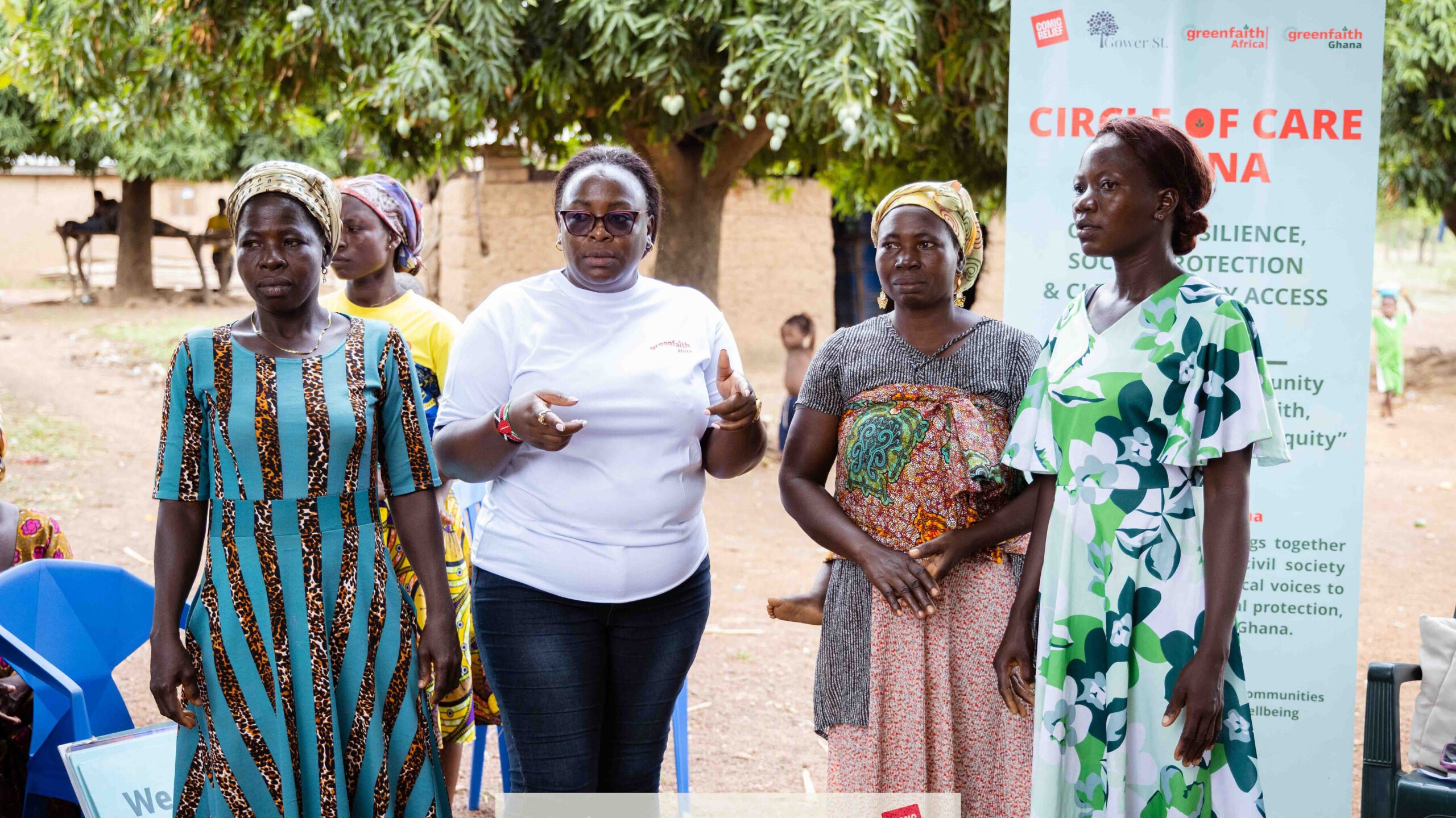
Now, picture this. Nearly eight hours from Accra and about an hour from the nearest shopping center, Alokpatsa sits largely outside the realities that many of us take for granted. There is no national grid electricity. As darkness falls, most households rely on lanterns for light. A few families use rechargeable spotlights and those considered relatively well-off own small solar systems capable of powering a bulb, charging a phone, or running a small appliance. Clean cooking is not a conversation. It is a luxury. Almost every household cooks over open fires. Women and girls spend significant time collecting firewood. Smoke-filled kitchens are normalized. The health, environmental, and social costs are borne quietly every day.
Standing there, I could not help but reflect on the growing number of conversations about energy transition taking place across conference halls, boardrooms, and global climate forums. Because for many families in Alokpatsa, the immediate challenge is not transitioning from one energy system to another. It is accessing energy in the first place. Access to electricity, clean cooking, information, opportunity and to dignity. This is why Africa’s grassroots communities must be more than participants in the Just Transition conversation. They must help shape it. Not because they are beneficiaries, but because they are experts in the realities that climate and energy policies seek to address. A transition that lowers emissions but leaves millions trapped in energy poverty cannot be described as just.
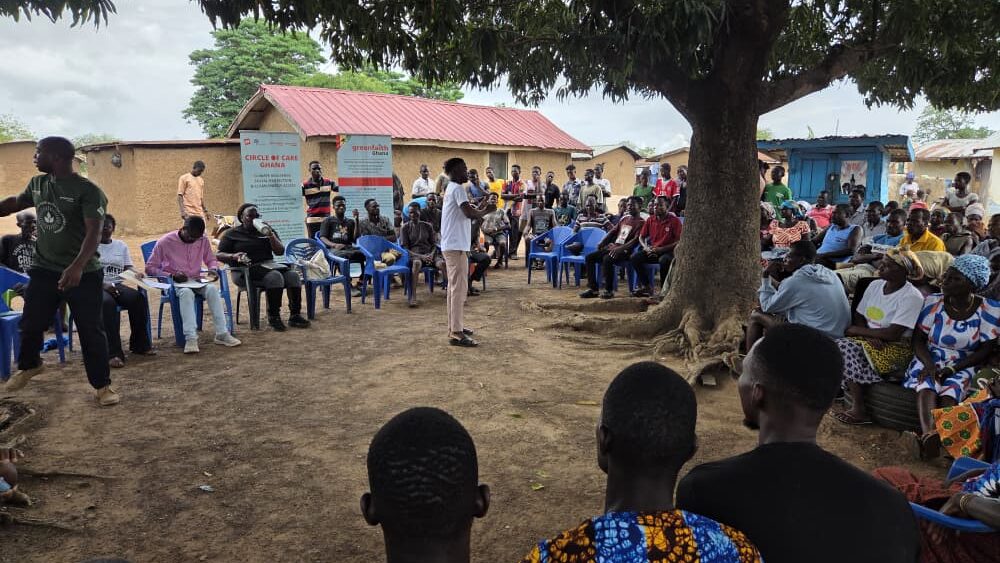
For many families in Alokpatsa, the immediate challenge is not transitioning from one energy system to another. It is accessing energy in the first place
Equally, a transition designed without listening to those living at the intersection of poverty, exclusion, and climate vulnerability risks reproducing the very injustices it seeks to solve. Perhaps the future of Africa’s Just Transition begins with a simple but often overlooked principle: Listen first. Design second. Maybe we need to step back and ask that fundamental question: What would Africa’s Just Transition agenda look like if it were shaped from communities like Alokpatsa outward, rather than from conference rooms inward?