
Day 4 | Antalya, Türkiye
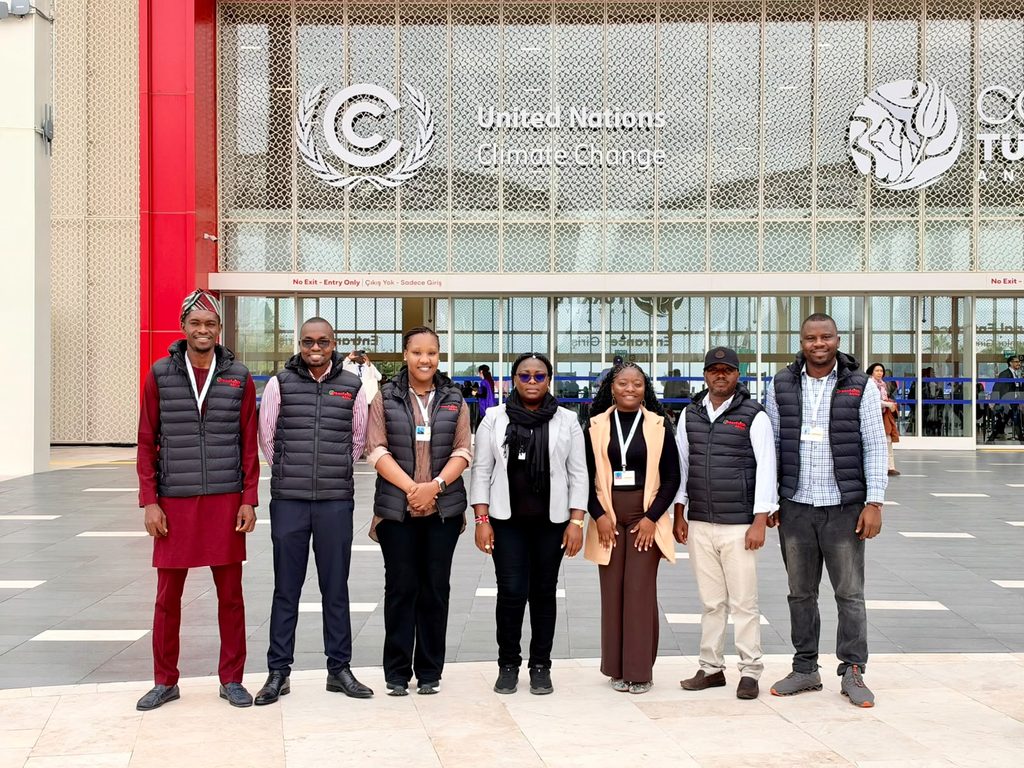
Four days into COP31, the question is no longer whether the climate crisis is real. It is whether governments will turn their warnings into decisions that protect people. Antalya has been called an “Implementation COP”; yet Day 4 exposed the distance between strong speeches and the money, rules and action communities need. Leaders’ discussions ended with urgent calls to cut emissions, strengthen resilience and finance vulnerable countries but no major new public climate-finance pledges were announced.
The clearest political signal came from the United Kingdom’s clean-electrification roadmap, which connects electrification with moving away from fossil fuels. It is a useful step, but it is not a complete phase-out plan: it sets no overall electrification target and allows production from existing oil and gas fields to continue. Meanwhile, the Presidency’s “35 by 35” ambition to raise electricity’s share of final energy demand to 35% by 2035 will mean little for African families if electricity remains unaffordable, unreliable or fossil-powered.
GreenFaith Africa therefore asks Australia, as a COP31 climate-leadership partner, to lead with courage and consistency. Hosting and helping steer a climate summit must mean more than managing negotiations: it must mean championing a credible, equitable transition away from fossil fuels, ending new fossil-fuel expansion, and mobilising finance that enables countries and communities to make that transition. Australia’s call for support to Pacific nations is important, but its leadership will be judged against its own fossil-fuel decisions and the ambition it helps unlock from other wealthy countries.
Adaptation is another test of delivery. Negotiators broadly recognise the need to triple adaptation finance, yet the baseline, timetable and pathway remain unsettled. The Adaptation Fund’s project pipeline stood at about US$2.39 billion in 2026, while only roughly US$455–553 million was available for new approvals; 2025 contributions were US$138 million against a US$300 million annual mobilisation target. These figures tell a simple story: the need is growing faster than the resources. Plans cannot protect a farmer from drought, a coastal family from flooding or a health centre from heat without accessible finance and practical support.
Loss and Damage support is similarly constrained. The Santiago Network had received more than 40 technical-assistance requests, but only four were under implementation and one completed. Communities facing irreversible losses cannot wait through complex procedures and underfunded institutions. The Fund for Responding to Loss and Damage, the Santiago Network and the Warsaw International Mechanism must work together, with predictable resources, simpler access and country-level delivery, not fragmented promises.
Finance talks remain divided over whether progress should be measured by public money actually disbursed or by pledges and wider mobilisation. African countries and other developing nations are right to insist that private investment cannot replace developed countries’ public obligations. Climate finance must be new, adequate, predictable and predominantly grant-based for adaptation and Loss and Damage; it must reach local governments, frontline organisations, Indigenous Peoples, women, farmers and households not stop at institutions or become another debt burden.
Just Transition discussions also underline the stakes for Africa: industrialisation, value addition, technology transfer, skills, decent work and social protection are central not side issues. Critical minerals should build African prosperity and community benefit, not reproduce extraction without local value. The Just Transition Mechanism must become a practical platform for cooperation, capacity, technology and finance, while protecting human rights and meaningful participation. These are still negotiating questions, not settled COP31 outcomes.
The message from Antalya to people beyond the conference walls is clear: climate action is credible only when it changes lived realities. COP31 must connect its negotiated decisions with the Action Agenda, deliver adaptation and Loss and Damage finance, and give a clear political direction to transition away from fossil fuels. For GreenFaith Africa, the measure is whether communities gain reliable clean energy, resilience, livelihoods and a voice in decisions.
Implementation is not a slogan; it is finance reaching people, justice shaping the transition, and leaders being accountable for what they promised