
The Story of Mage Augustino and the Cost of EACOP in Rural Tanzania
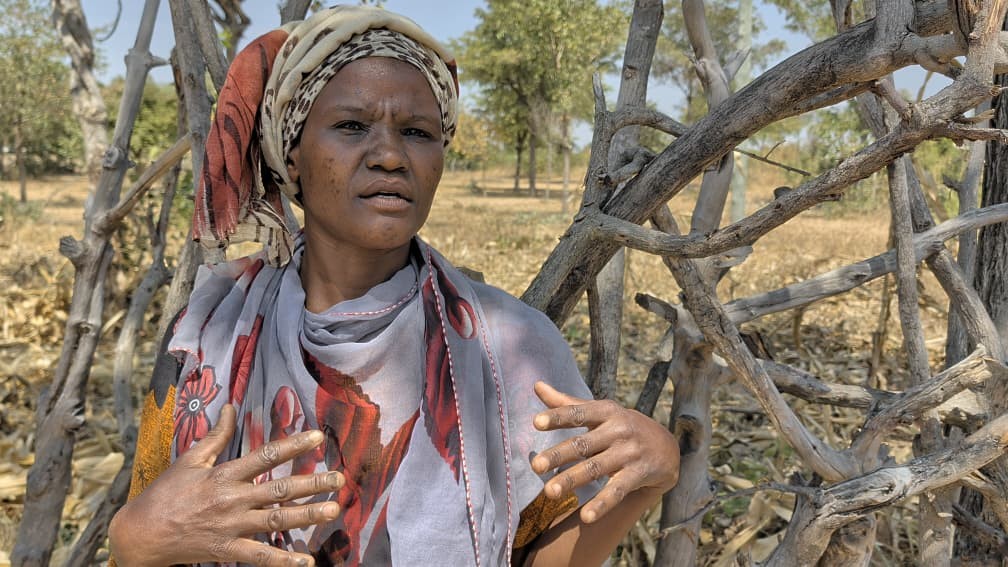
Nkomelo Village, Kagera Region, Tanzania
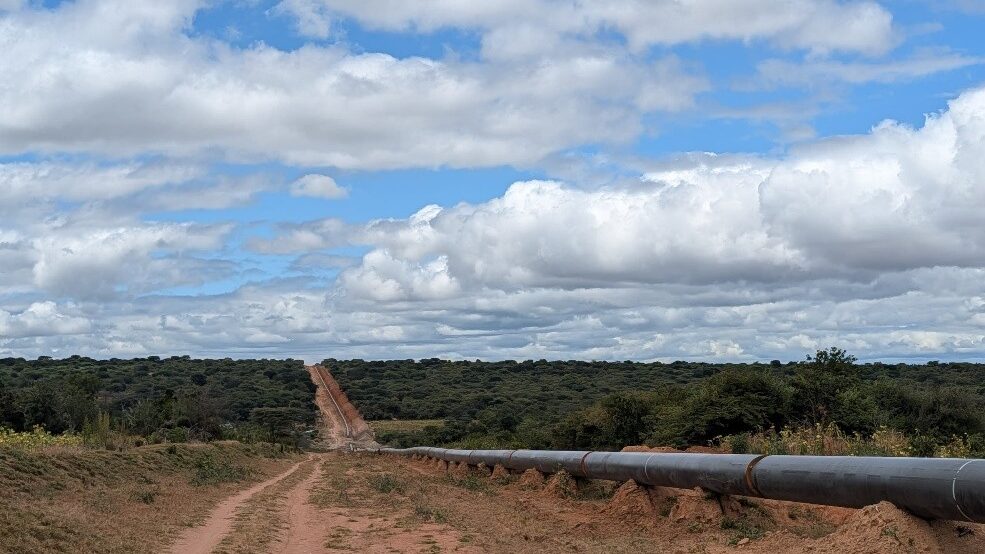
Every morning before sunrise, Mage Augustino walks past the land that once fed her family. The fields where cassava, maize, beans, groundnuts, and banana trees once flourished are now part of the route designated for the East African Crude Oil Pipeline (EACOP). What remains is not just an empty piece of land, but a daily reminder of livelihoods that disappeared long before any oil began to flow. Mage is a small-scale farmer and a mother of four children. Like many women in rural Tanzania, farming was never just a job; it was survival. Her two acres provided food for the household, generated income for school expenses, and offered security against uncertain seasons.
Then EACOP arrived. “They took two acres of my land,” she says quietly. “The compensation I received was not enough for me to buy another piece of land. Today, I have less land to cultivate and less food to feed my family.” For generations, land has been the backbone of life in Nkomelo Village. Losing it means far more than losing property; it means losing harvests, income, and dignity. While project developers promised that compensation and livelihood restoration would help affected households rebuild their lives, Mage says reality has fallen far short of those promises. “We depended on cassava, maize, beans, groundnuts, and bananas. We had food throughout the year and could sell the surplus,” she explains. “Now everything has changed.”
As part of the project’s Livelihood Restoration Program, Mage says her family received food assistance. But instead of the twelve months they expected based on earlier commitments, support lasted only six months. “They promised food support for one year,” she recalls. “We only received it for six months. After that, we were left on our own.”
For households that had already lost productive farmland, the end of food assistance created another layer of uncertainty. Families who once produced their own food now faced the challenge of purchasing it without stable agricultural income. Project representatives also introduced beekeeping as an alternative livelihood for affected communities. On paper, it appeared to offer new economic opportunities. In practice, Mage says the initiative has stalled. “They trained us in beekeeping, but until today we have not received the equipment. We don’t have beehives or the materials needed to start. Training alone cannot provide an income.”
She adds that beekeeping is not a traditional livelihood in her community
“This kind of work is not familiar here. If they want us to succeed, they should provide proper equipment and continue training us until we are confident.”
Across many rural communities, livelihood restoration is measured not by attendance at training sessions but by whether families can restore, or improve, their ability to earn a living. For Mage, that goal remains out of reach. The promise of development often speaks in numbers: kilometers of pipeline, investment figures, and projected revenues. Yet in villages like Nkomelo, its consequences are measured differently, in acres lost, harvests missed, and children whose futures become more uncertain
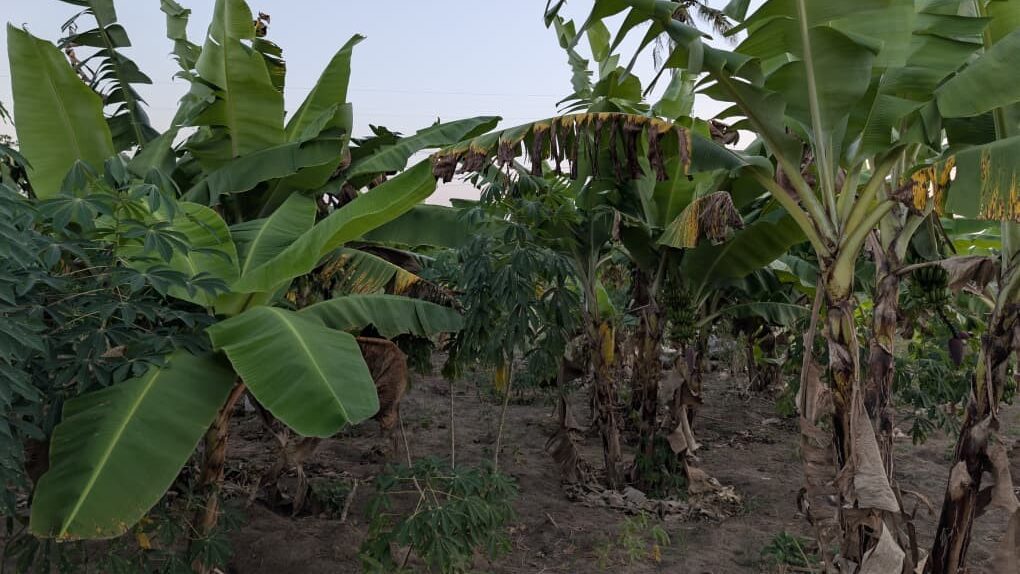
Standing near the edge of what used to be her farmland, Mage reflects on what development should mean. “We are not against development,” she says. “But development should not leave families poorer than they were before. If our land is taken, our lives should become better, not harder.”
Her story is one among many emerging from communities affected by the EACOP project. It raises difficult questions about whether compensation can truly replace productive land, whether livelihood restoration programs are being implemented as promised, and whether affected families are receiving the long-term support needed to rebuild sustainable lives. For Mage Augustino, the answer is written in the empty fields she passes each day. The land that once sustained her family is gone, and despite promises of restoration, the struggle to recover continues.
By Baraka Machumu