
Archbishop Jackson Ole Sapit’s Call for Climate Justice Rooted in Faith, Social Protection and Shared Humanity
At the National Conference on Climate Change and Social Protection, the Most Rev. Dr. Jackson Ole Sapit, CBS, Archbishop and Primate of the Anglican Church of Kenya, delivered a compelling message that placed faith, justice and humanity at the heart of the climate conversation. Drawing from Scripture and personal experience, the Archbishop reminded participants that the climate crisis is not simply an environmental concern, it is a moral, social and spiritual challenge that demands collective responsibility.
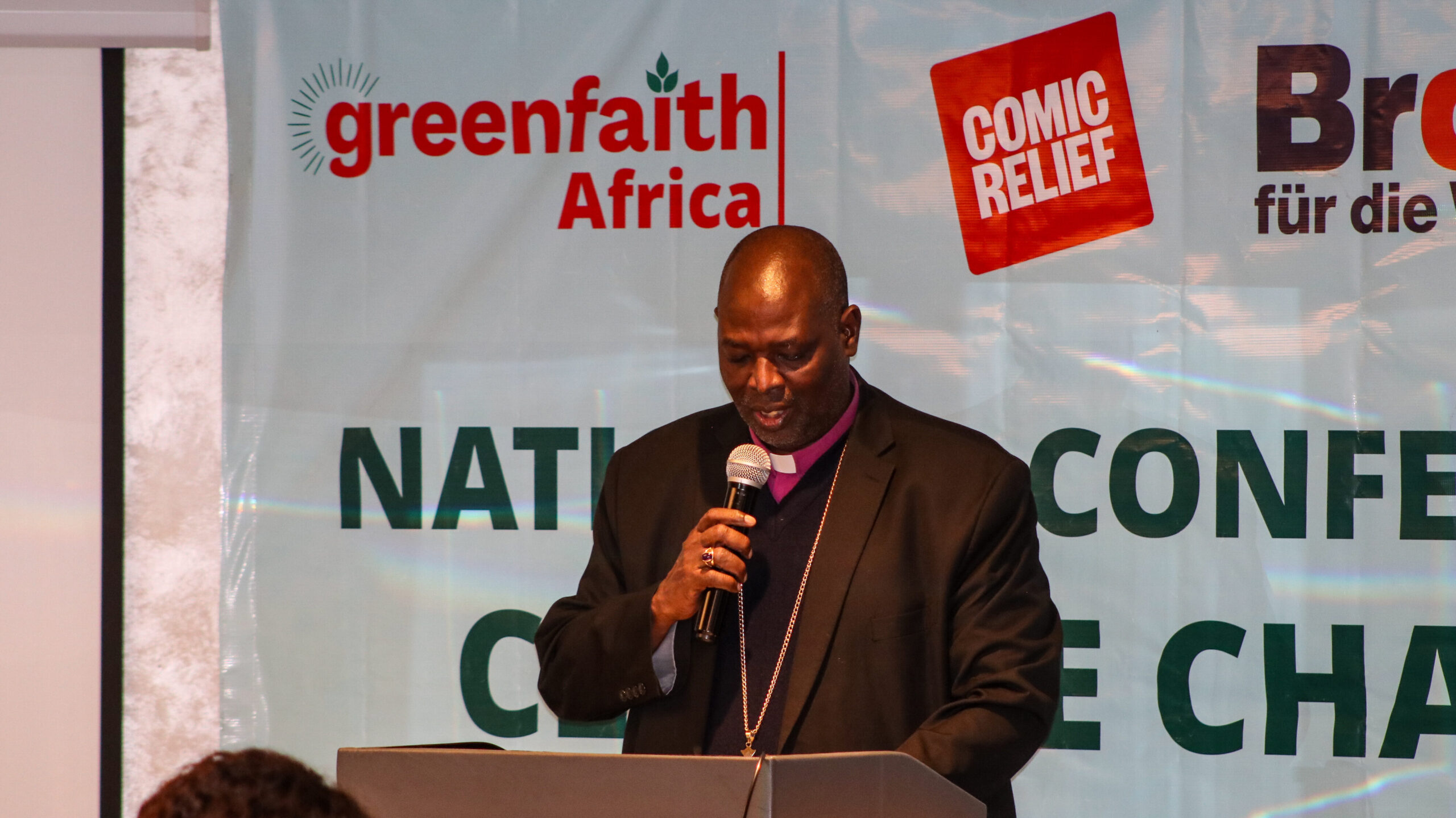
Quoting Psalm 24:1, “The earth is the Lord’s, and everything in it,” Archbishop Ole Sapit emphasized that humanity does not own creation but serves as its steward. Caring for the environment, he noted, is therefore both a sacred responsibility and an expression of justice for present and future generations.
One Humanity, One Shared Journey
The Archbishop underscored the reality that all people share one common world and one common destiny.
“Humanity shares a common world, humanity and journey. We are in it together,” he said.
He explained that no nation or community can confront the climate crisis in isolation. The impacts of climate change transcend borders, affecting food systems, water security, livelihoods and peace. While the consequences are global, it is often the poorest and most vulnerable communities that bear the greatest burden despite contributing the least to greenhouse gas emissions.
For Africa, this reality is especially painful. Although the continent possesses immense natural wealth, many of the communities living closest to these resources remain among the least protected socially and economically.
The Three Pillars of a Just Future
Archbishop Ole Sapit proposed that sustainable development must rest on three inseparable pillars:
- Humanity and good governance.
- Environmental protection and conservation.
- Peace.
These three pillars, he argued, must function together if societies are to thrive. Weak governance fuels inequality, environmental degradation undermines livelihoods, and conflict destroys both people and ecosystems.
He challenged leaders to embrace governance that safeguards both people and creation while ensuring that peace remains central to sustainable development.
Climate Justice Must Include Social Protection
A central theme of the Archbishop’s address was the urgent need to strengthen social protection as part of climate action.
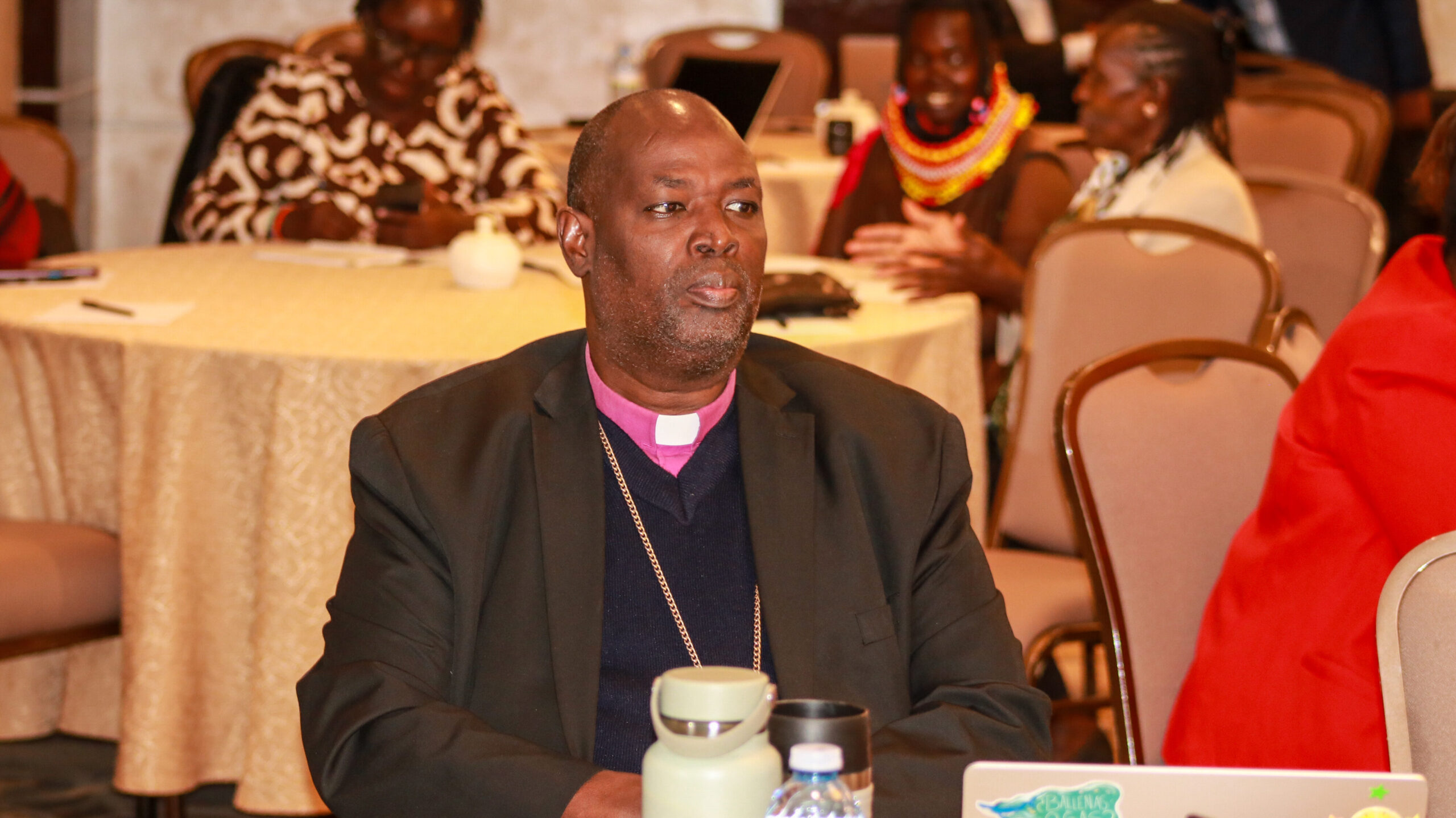
He observed that Africa’s abundant natural resources are often located in regions inhabited by marginalized communities, areas that continue to experience inadequate access to social protection services despite generating enormous economic value.
For this reason, he argued that adaptation deserves equal priority alongside mitigation.
“Justice demands that adaptation, which is a pathway to social justice, receives the same attention as mitigation.”
Adaptation, he explained, is not merely about responding to changing weather patterns; it is about protecting livelihoods, preserving dignity and ensuring that vulnerable communities have the support needed to recover from climate shocks.
Rediscovering Africa’s Culture of Care
Reflecting on his upbringing as a young Maasai boy, Archbishop Ole Sapit shared a moving example of indigenous social protection.
“When our neighbours milked their cows, they extended it to us gracefully.”
This simple act of generosity represented a deeply rooted African tradition where communities cared for one another without expectation of reward.
He noted that kinship structures, faith institutions and traditional systems have historically provided safety nets long before modern welfare programmes emerged.
“Kinsmen and religious systems have been tested and can still work for social protection.”
The Archbishop encouraged governments and development partners to recognize and strengthen these community-based systems rather than overlook them.
Putting People at the Centre of Climate Action
Archbishop Ole Sapit reminded delegates that climate change is ultimately about people.
He drew attention to the realities faced by smallholder farmers struggling with prolonged droughts, pastoralists losing livestock, families displaced by devastating floods, and coastal communities such as those in Shaza whose islands are increasingly threatened by rising sea levels.
These stories, he said, reveal that climate change has evolved beyond an environmental issue.
“Climate change is not merely an environmental challenge; it is now a justice crisis, a development crisis, a moral crisis, and a peace and security crisis.”
Addressing these intersecting crises requires policies that uphold human dignity while protecting the most vulnerable.
The Moral Responsibility of Faith Leaders
The Archbishop concluded with a powerful call to faith communities across Africa to become active champions of climate justice.
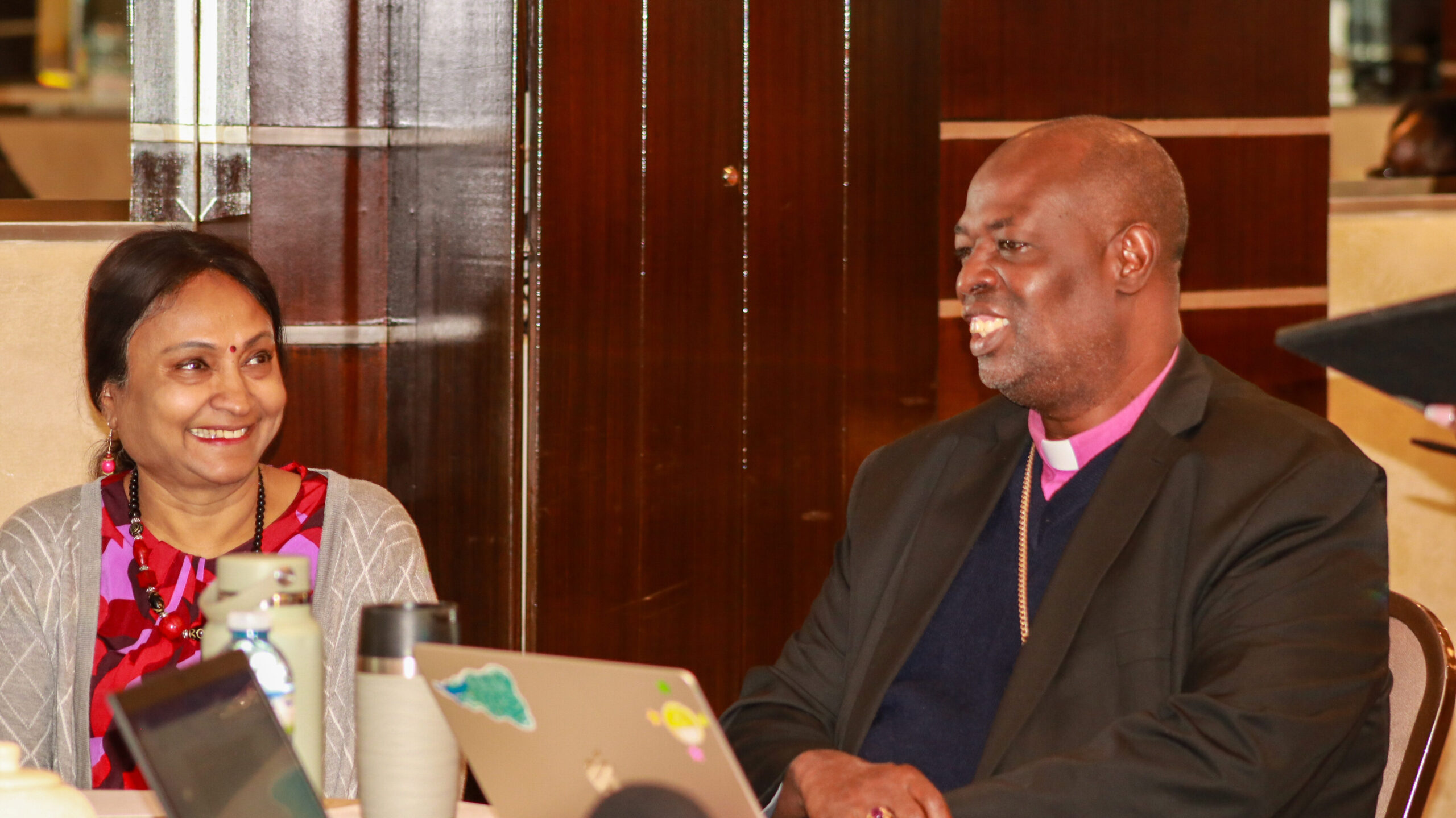
He urged religious leaders to move beyond advocacy and become visible partners in advancing equitable climate policies, expanding social protection and restoring values that promote justice for both people and the environment.
“We must instill values that restore moral value and bring justice to the environment and communities at the frontline of climate change.”
Faith communities, he said, possess trusted networks, moral authority and grassroots reach capable of transforming attitudes and mobilizing action where governments alone cannot.
As climate impacts continue to intensify across Africa, Archbishop Jackson Ole Sapit’s message served as a timely reminder that the path toward climate resilience must be grounded in compassion, justice and shared responsibility. Protecting creation, strengthening social protection and safeguarding human dignity are inseparable responsibilities. If humanity truly believes that the earth belongs to God, then caring for both the planet and its people is not optional it is a sacred obligation.