
The recent floods in Accra have once again left families counting their losses. Homes have been submerged, businesses disrupted, roads cut off, and lives placed at risk. As these scenes become more frequent, it is clear that flooding is no longer an isolated event but part of a growing climate reality that Ghana must confront differently.
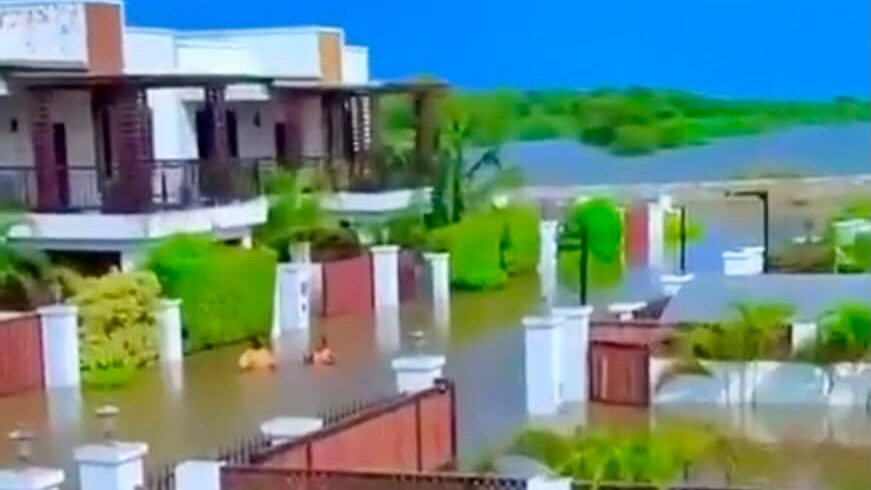
When disasters like these occur, public attention often focuses on the intensity of the rainfall. Yet the more important question is whether we did enough before the rain started.
Today, Ghana has better access to weather information than ever before. We receive rainfall forecasts, flood alerts, and other climate advisories. Institutions such as the Ghana Meteorological Agency continue to improve their ability to monitor weather patterns and communicate potential risks. The challenge is that these warnings often end as announcements rather than becoming triggers for action.
Knowing that heavy rainfall is expected should immediately set a series of protective measures in motion. Communities in flood-prone areas should receive clear guidance on evacuation. Temporary shelters should be ready before people are displaced. Vulnerable households should be identified in advance, allowing emergency support to reach them quickly. Schools, health facilities, and other essential services should have contingency plans that reduce disruption when floods occur.
This is what climate-responsive social protection looks like. It is about protecting people before they lose their homes, livelihoods, or sources of income, rather than waiting to respond after the damage has already been done.
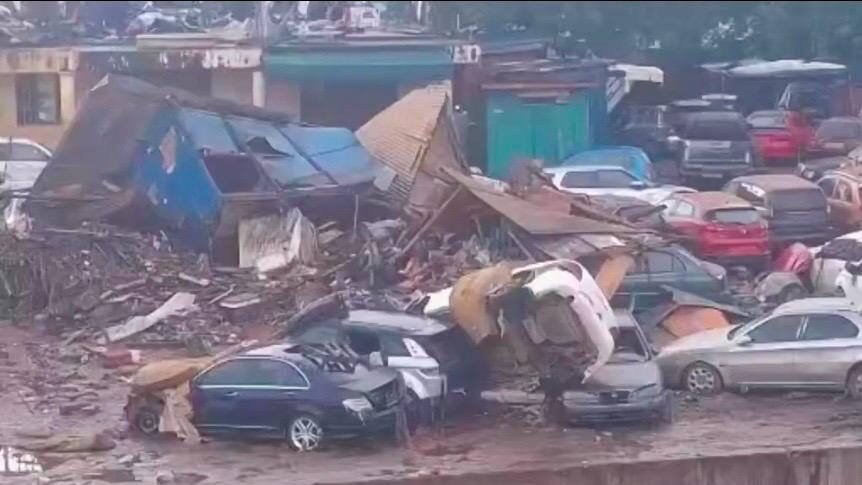
Preparing for floods also means paying attention to the conditions that increase risk long before a weather alert is issued. Blocked drains, poor waste management, construction on waterways and wetlands, weak infrastructure, and poorly maintained roads all make communities more vulnerable. These are not simply environmental concerns; they are governance issues that directly affect people’s safety and well-being.
Faith communities also have an important role to play. Across Ghana, churches, mosques, and traditional religious institutions are deeply rooted in their communities. They are often among the first to recognize when families are struggling, older people are isolated, or vulnerable households need support. Their networks and local knowledge can strengthen disaster preparedness and help ensure that assistance reaches those who need it most.
An effective early warning system should therefore bring together scientific forecasting, local government, community leadership, and social protection programmes. Forecasts should inform decisions, and those decisions should activate practical support for people at risk.
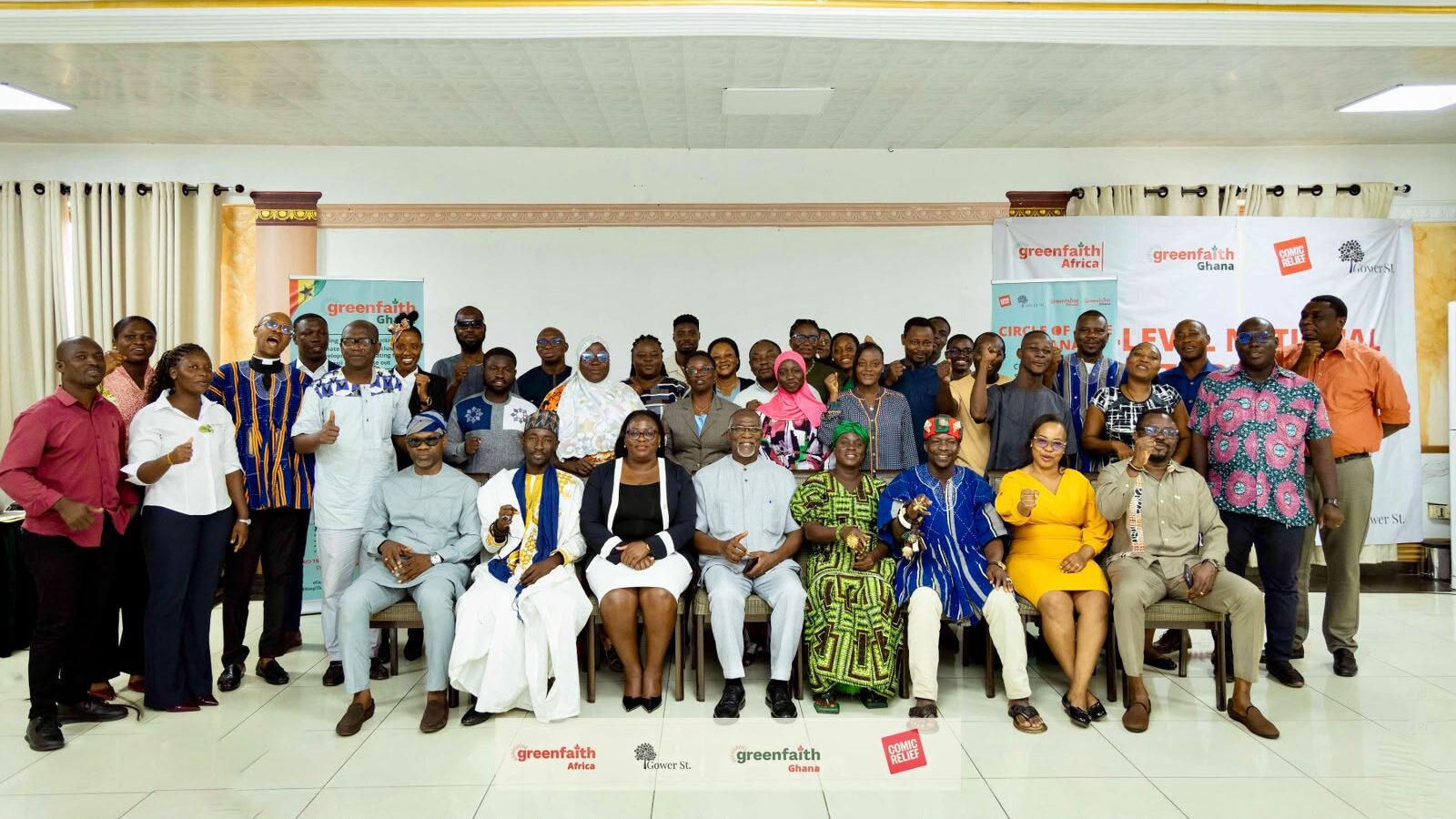
GreenFaith Ghana continues to advocate for this approach because climate resilience is not built during a flood. It is built in the decisions made before the first drop of rain falls.
As climate change increases the frequency and severity of extreme weather events, Ghana has an opportunity to rethink how it prepares for disasters. Early warning systems should not be judged only by how accurately they predict heavy rainfall. They should also be judged by whether they help prevent loss, protect vulnerable communities, and reduce the need for emergency response. The next flood is not simply a test of our drainage systems. It is a test of whether we can connect climate information, sound public policy, and social protection into one coordinated response.
That is the shift we need to make not because floods can be prevented entirely, but because the scale of their impact can be.