
Putting People at the Centre of Climate Action
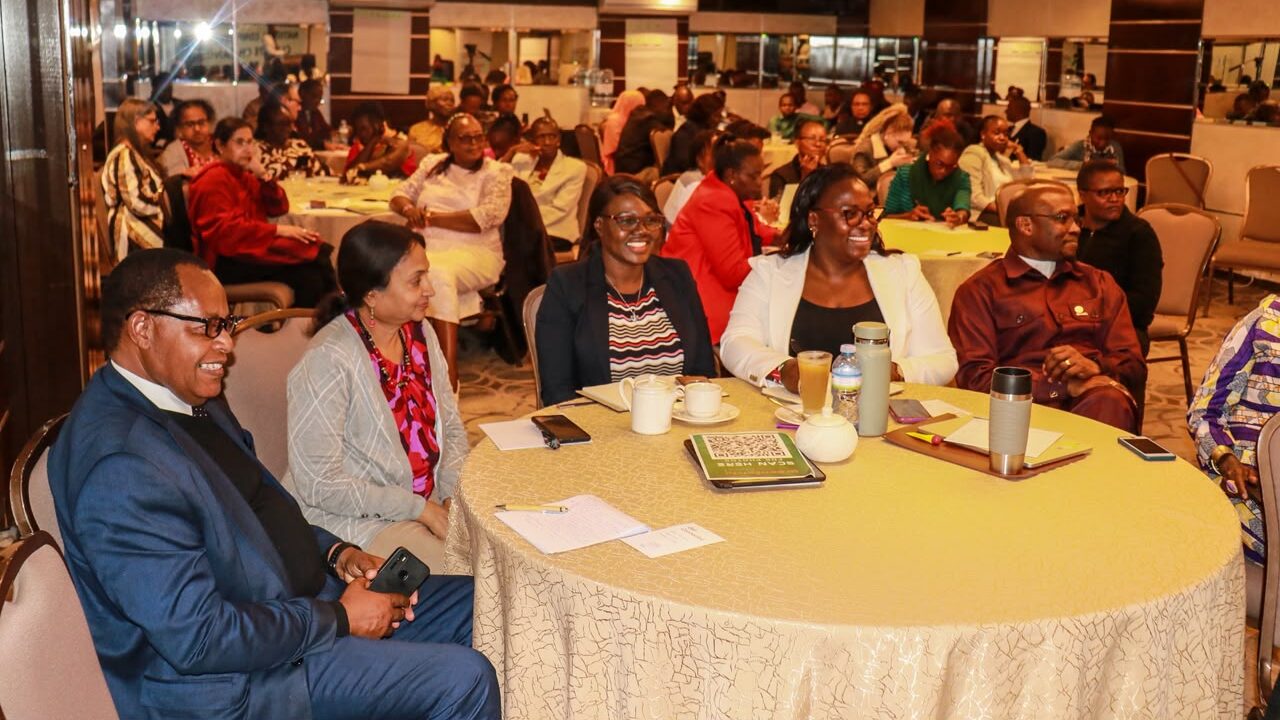
While Kenya Contributes very little to global greenhouse gas emissions, it continues to bear a disproportionate share of the climate crisis. Across the country, droughts, floods, rising temperatures, and environmental degradation are becoming more frequent and severe, threatening food security, water access, livelihoods, and human dignity. Yet those suffering the most are often those who have contributed the least to the crisis: pastoralists, smallholder farmers, women, youth, persons with disabilities, older persons, and low-income households.
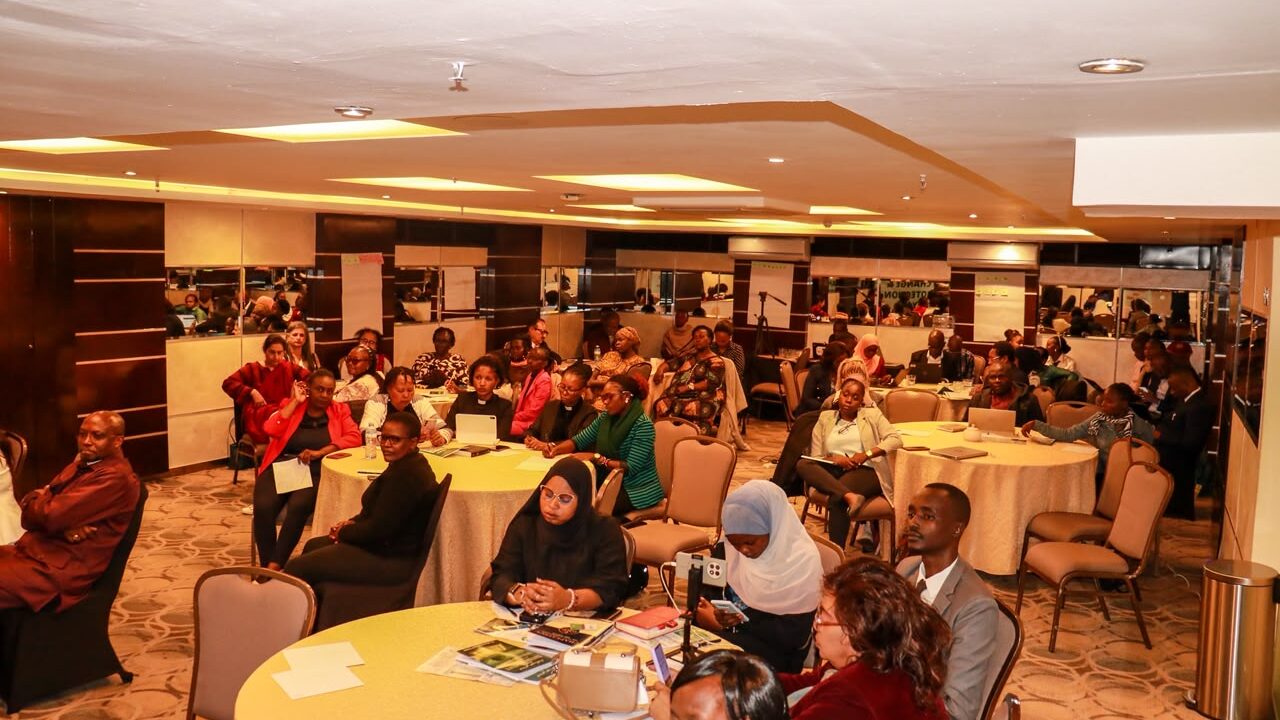
It is against this backdrop that GreenFaith Africa convened the National Conference on Climate Justice and Social Protection in Nairobi, bringing together faith leaders, government representatives, civil society actors, and community advocates to explore how social protection systems can be strengthened to respond to climate-related vulnerabilities and build resilient communities.
At the heart of the conference was a simple but urgent message: climate justice and social protection are inseparable. As climate impacts intensify, protecting vulnerable populations must become a central pillar of climate action.
Climate Justice Begins with Care
Faith leaders present reaffirmed their belief that climate justice begins with care, care for people, care for creation, and care for future generations. Across faith traditions, human dignity is sacred, solidarity is a moral responsibility, and societies are ultimately judged by how they treat their most vulnerable members.
The conference emphasized that social protection is more than a policy framework. It is a moral commitment to ensure that no one is left behind when climate disasters strike. Whether through cash transfer programs, food support, access to healthcare, climate-resilient livelihoods, or community safety nets, social protection offers a pathway to safeguarding lives and restoring dignity.
Faith Communities as Pillars of Social Protection
Delivering the keynote address, the Archbishop of the Anglican Church of Kenya, His Grace Rt. Rev. Dr. Jackson Ole Sapit, reminded participants that humanity shares a common destiny and responsibility.
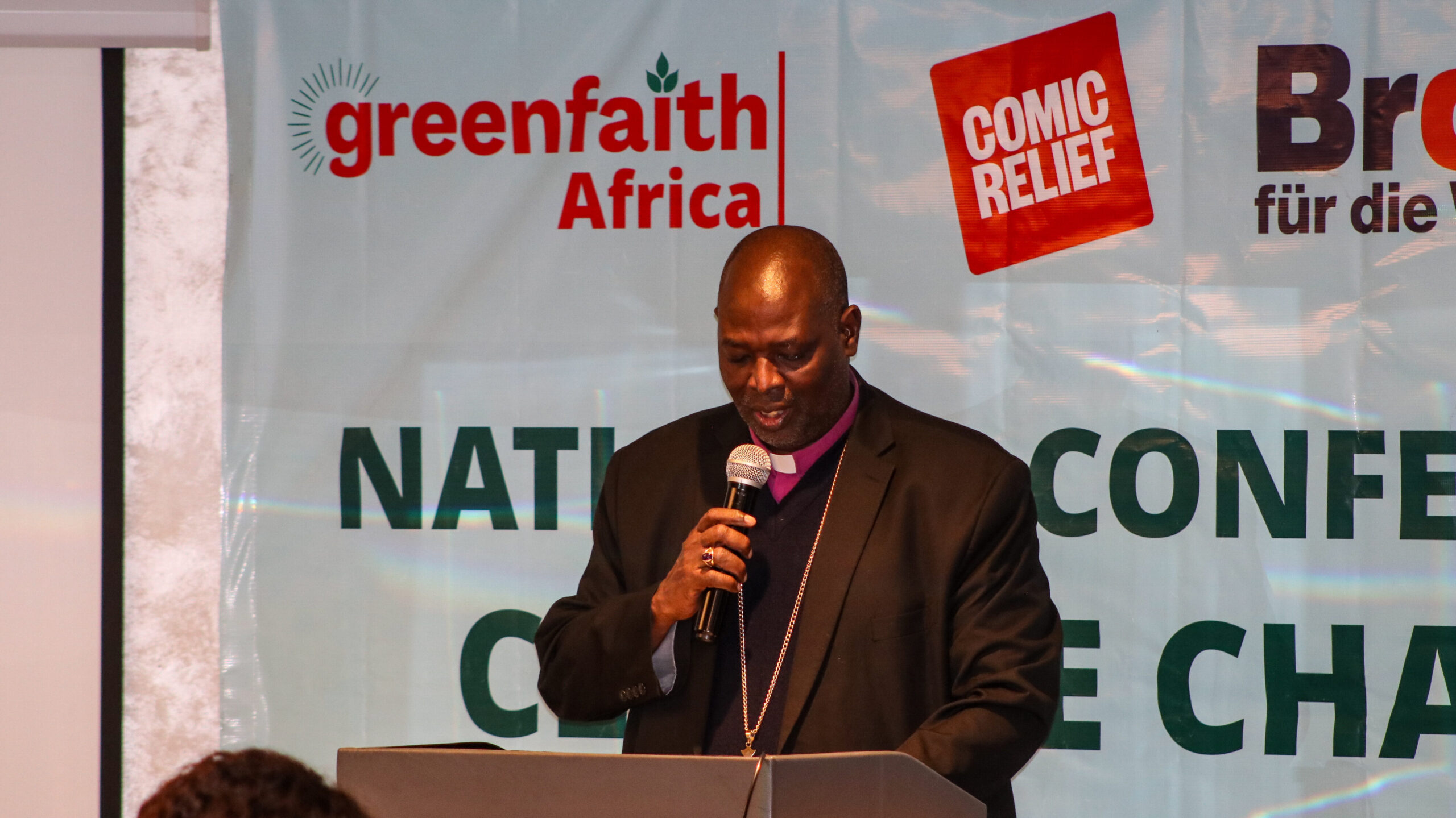
“Humanity shares a common world, humanity, and journey. We are in it together,” he said.
The Archbishop highlighted the interconnected relationship between governance, environmental protection, and peace, noting that sustainable development can only be achieved when all three work together.
He further observed that Africa is richly endowed with natural resources, yet many of these resources are located in areas inhabited by communities that remain underserved and inadequately protected by social protection systems.
“Justice demands that adaptation, which is a pathway to social justice, receives the same attention as mitigation,” he emphasized.
Drawing from his own childhood experiences as a young Maasai boy, Archbishop Ole Sapit reflected on traditional forms of social protection that have long existed within communities.
“We have systems that have worked for extending social protection and safety nets. Growing up, when our neighbours milked their cows, they extended it to us gracefully. Kinsmen and religious systems have been tested and can still work for social protection,” he shared.
His remarks underscored the critical role faith institutions and traditional community structures continue to play in supporting vulnerable households, particularly during times of crisis.
The Archbishop called upon faith leaders to take a more active role in advancing climate justice and advocating for stronger social protection measures for communities on the frontlines of climate change.
“We must instill values that restore moral value and bring justice to the environment and communities at the frontline of climate change, the smallholder farmer, the pastoralist, communities displaced by floods, and coastal communities whose homes and livelihoods are threatened by rising waters.”
Strengthening Partnerships for Climate Responsive Social Protection
Also present at the conference was the Principal Secretary in charge of Children Welfare, Ms. Carren Ageng’o, who called for stronger collaboration between faith actors and government institutions in advancing social protection policies.
She noted that climate change is increasingly compounding existing social challenges across the country.
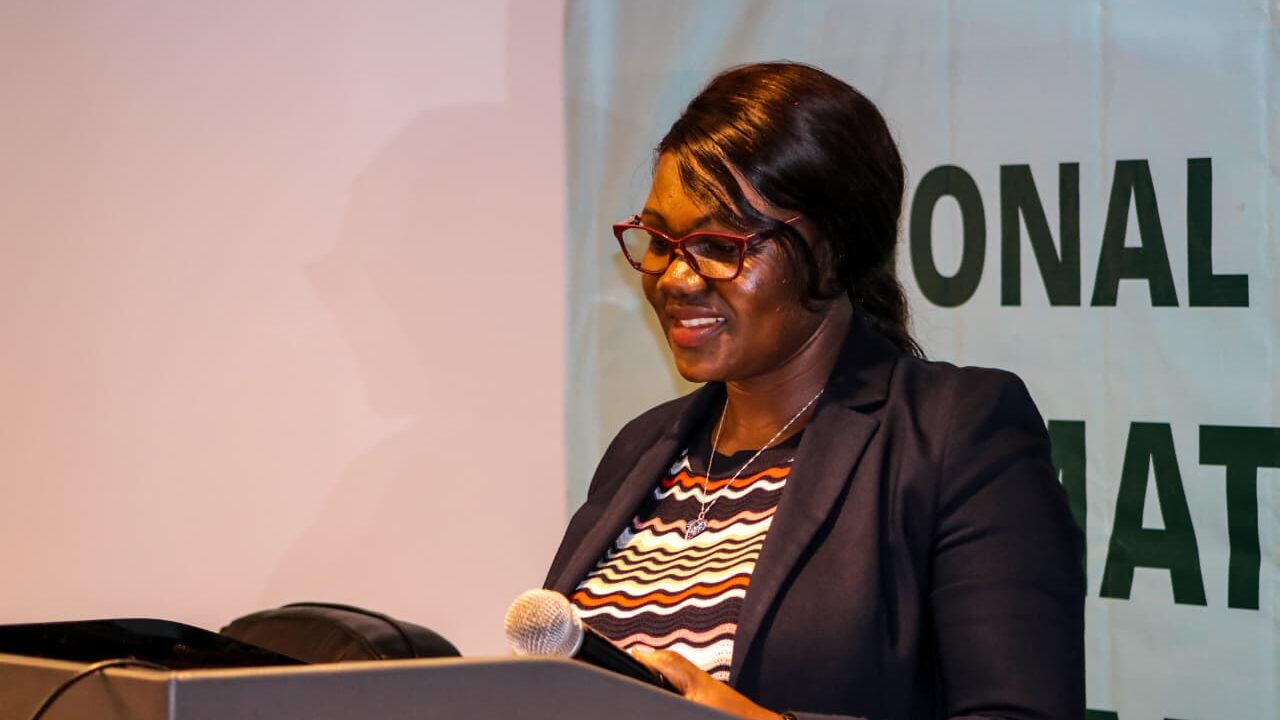
“From floods in Nyando, Kisumu County, to prolonged droughts in Northern Kenya, the reality is stark. Climate change continues to deepen vulnerabilities among already marginalized communities,” she said.
The Principal Secretary emphasized that addressing these challenges requires stronger partnerships and coordinated action across sectors. She urged faith leaders to work closely with government institutions to ensure climate-responsive social protection is embedded within policies, legislation, and institutional frameworks.
Her remarks highlighted the growing recognition that effective climate action must go beyond environmental interventions and include investments in systems that protect people from climate-induced shocks and stresses.
Faith Actors: Trusted Partners in Community Resilience
GreenFaith Africa Executive Director Ms. Meryne Warah emphasized the unique role faith communities play in advancing both climate justice and social protection.
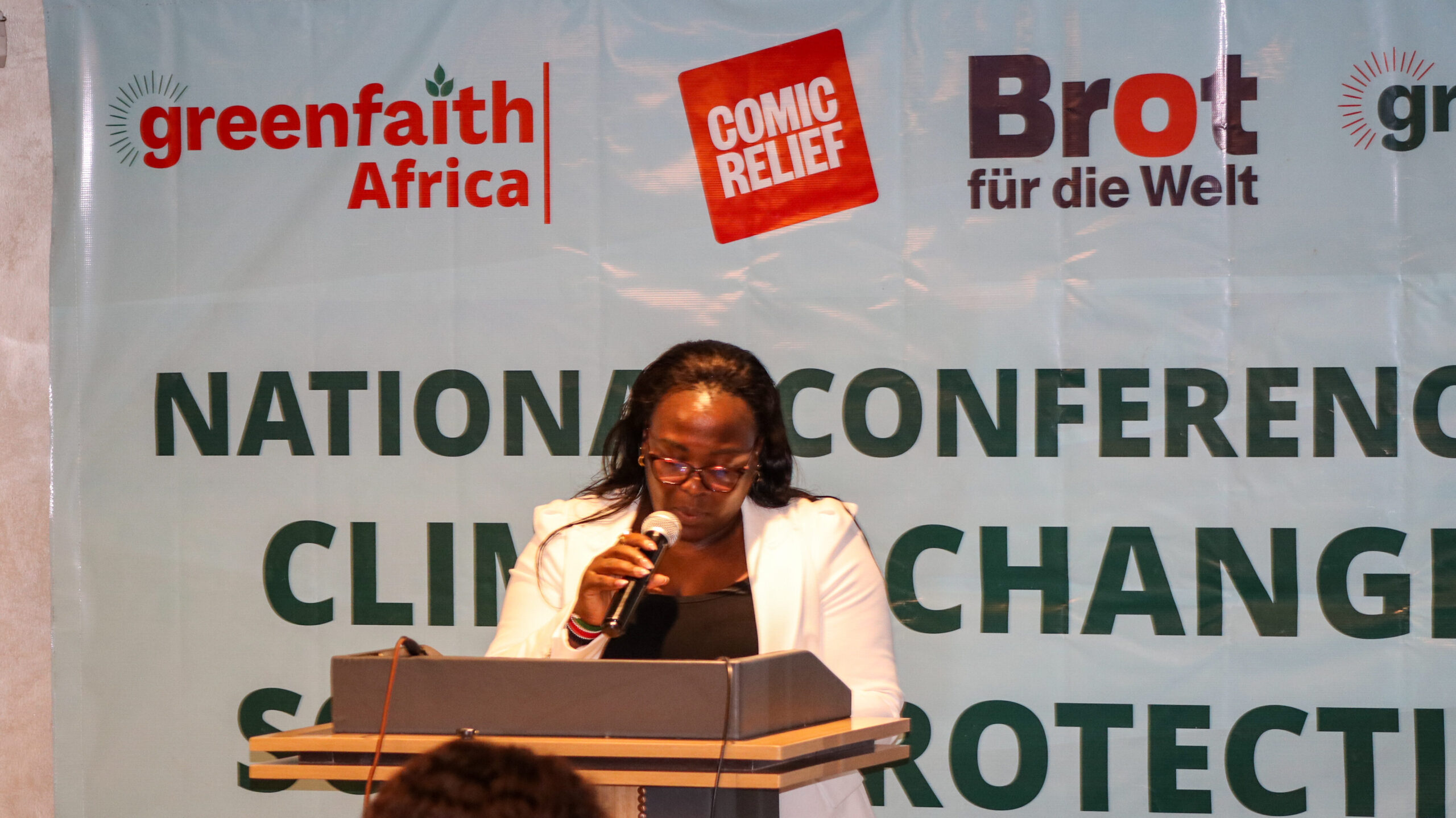
“Across our country, places of worship remain among the most trusted institutions. Faith organizations reach communities where many formal systems struggle to reach,” she noted.
She observed that faith actors have long been providing social protection in practice, accompanying people through moments of crisis, offering humanitarian support, promoting social cohesion, and advocating for justice.
“Long before the language of climate adaptation entered policy discussions, faith communities were already caring for vulnerable families and helping communities recover from hardship.”
Ms. Warah called for greater recognition and integration of faith-based approaches within national climate adaptation and social protection strategies, noting that community resilience is strongest when local knowledge, faith values, and public policy work together.
A Call for People-Centred Climate Action
As climate impacts continue to intensify across Kenya and the African continent, the conference reinforced the need for climate responses that place people at the centre.
Faith communities agreed that climate justice cannot be achieved without robust social protection systems that safeguard vulnerable populations from the growing impacts of climate change. Equally, social protection systems must evolve to become more climate responsive, adaptive, and inclusive.
The conference served as a catalyst for transformative action, one that recognizes caring for the most vulnerable among us as both a moral obligation and a strategic necessity. It reaffirmed that climate resilience is not only about protecting ecosystems and infrastructure but also about protecting people, livelihoods, and human dignity
As faith leaders, policymakers, and civil society actors continue to work together, the path forward is clear: building a just and resilient future requires strengthening the social protection systems that help communities withstand, recover from, and adapt to the realities of a changing climate.
Because climate justice is ultimately about people, and no one should be left behind.